
GLP-1 pregnancy questions are becoming more common as medications like Ozempic, Wegovy, Mounjaro, and Zepbound are used more widely for diabetes, weight management, and metabolic health. Some people are now wondering why their cycle feels different, why they missed a period, or what to do if they get a positive pregnancy test while taking one of these medications.
This topic can feel scary because the internet is full of dramatic headlines about “Ozempic babies” and unexpected pregnancies. The truth is more balanced: if you think you might be pregnant while using a GLP-1 medication, the next step is not panic. The next step is to test at the right time, contact your healthcare provider, and avoid making medication changes without medical guidance.
GLP-1 medications are not pregnancy tests, fertility treatments, or birth control. They are prescription medications that can affect appetite, digestion, blood sugar, weight, and sometimes the way people experience their normal routines. For some people, weight loss or better metabolic health may also affect ovulation patterns. That does not mean these medications directly “cause pregnancy,” but it does explain why more people are asking questions about cycles, missed periods, and early pregnancy signs.
This guide is educational only and is not a substitute for medical care. If you are pregnant, trying to conceive, breastfeeding, managing diabetes, or using prescription weight-loss medication, speak with a qualified healthcare provider. Your personal medical history matters.
Why GLP-1 Pregnancy Questions Are Getting More Attention
The phrase GLP-1 pregnancy is showing up more often because these medications are now part of everyday health conversations. Many people using them are also of reproductive age, which means pregnancy questions are naturally going to come up. Some may be actively trying to conceive. Others may be trying to avoid pregnancy. Some may only realize there is a concern after a late period, a faint test line, or new symptoms.
One reason this topic feels confusing is that early pregnancy symptoms can overlap with medication side effects and normal premenstrual symptoms. Nausea, fatigue, appetite changes, bloating, constipation, breast tenderness, mood changes, and changes in digestion can happen for more than one reason. That overlap can make it harder to know whether your body is reacting to medication, your menstrual cycle, stress, or pregnancy.
Why Pregnancy Can Be Hard to Recognize Early
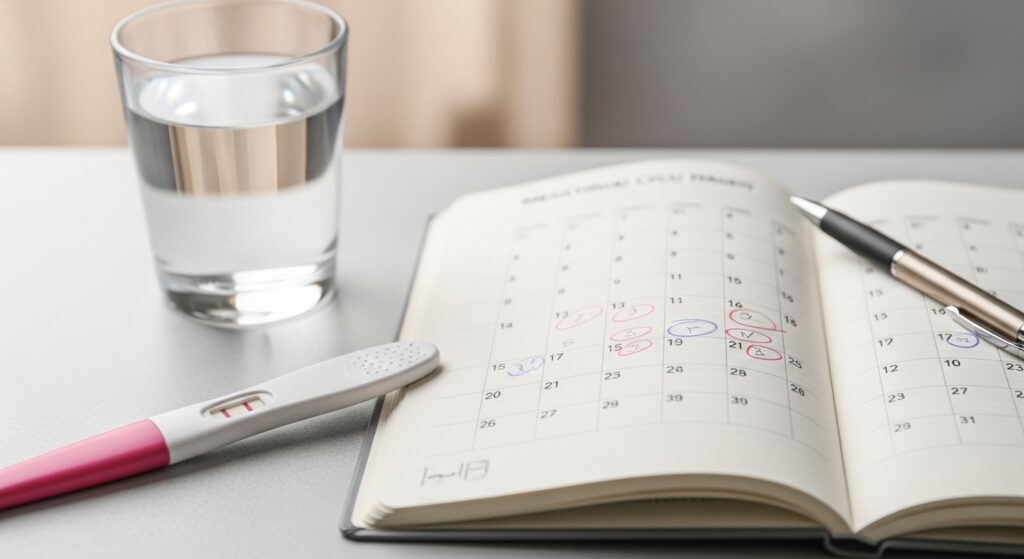
Early pregnancy is not always obvious. Some people have clear symptoms before a missed period, while others feel almost nothing. A late period is often the biggest clue, but even that can be confusing if your cycles are irregular, you recently lost weight, you are under stress, or you do not track ovulation closely.
If you are unsure whether symptoms could be pregnancy-related, start with the basics. Review your last period date, possible ovulation timing, unprotected sex or contraception issues, and when symptoms started. You can also compare symptoms with our guide on 10 early signs you might be pregnant.
Do Not Panic Over One Symptom
One symptom alone does not confirm pregnancy. Nausea can come from medication, food, stress, illness, or early pregnancy. Fatigue can come from poor sleep, hormonal changes, low calories, anxiety, or pregnancy. A missed period can happen because of late ovulation, stress, weight changes, PCOS, thyroid issues, breastfeeding, or pregnancy.
The better approach is to look at the full pattern. Are you late? Did you have sex during your fertile window? Did contraception fail or get missed? Are symptoms continuing or getting stronger? If the answer is yes, taking a pregnancy test at the right time makes more sense than guessing.
Timing Matters When You Take a Pregnancy Test
A home pregnancy test works by detecting hCG, a hormone your body produces after implantation. If you test too early, your hCG level may still be too low to show clearly. This is why a negative result does not always settle the question, especially if your period has not arrived yet.
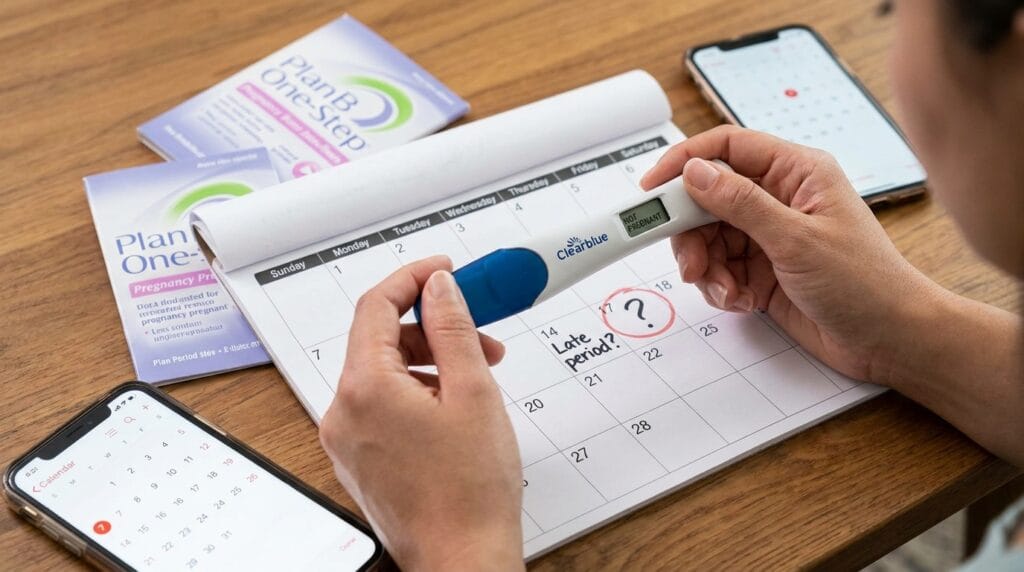
For the most reliable result, many people test after a missed period using first-morning urine. If your result is negative but your period still does not come, retest in a few days. If your cycle is irregular, you may need to count from possible ovulation rather than from a predicted period date. Our article on the best time to take a pregnancy test can help you plan when to test and when to repeat it.
Retest If Your Period Is Still Late
If you tested negative but still feel pregnant, do not assume your first test was final. You may have ovulated later than expected, tested too early, used diluted urine, or misread a faint result. Retesting after 48 to 72 hours can sometimes give a clearer answer because hCG usually rises in early pregnancy.
If repeated tests are negative but your period is more than one to two weeks late, it is wise to contact a healthcare provider. You may need a blood test, cycle evaluation, or support for another possible cause. You can also read our related post on negative pregnancy test but still feeling pregnant.
What to Do If You Might Be Pregnant While Using a GLP-1 Medication
If you think pregnancy is possible while taking a GLP-1 medication, take a calm step-by-step approach. First, take a pregnancy test at the right time. Second, contact the healthcare provider who prescribed your medication. Third, ask what to do next based on your health history, the exact medication, dose, and pregnancy timing.
Do not stop or continue a prescription based only on social media advice. This is especially important if the medication is part of your diabetes care. Blood sugar control can matter a lot in pregnancy, and your provider may need to help you transition to a safer plan if pregnancy is confirmed.
What to Ask Your Healthcare Provider

When you contact your provider, be specific. Tell them the medication name, dose, how long you have been using it, the date of your last dose, the first day of your last period, when you tested, and whether the test was positive, negative, or unclear. This gives your provider a better picture of timing.
You can also ask whether you need a blood pregnancy test, whether medication should be paused or changed, whether you need additional monitoring, and what symptoms should be treated as urgent. For official medication safety information, you can review the FDA prescribing information for Wegovy, but your provider’s advice should guide your actual next step.
Talk About Diabetes, PCOS, Weight Changes, and Birth Control
Your provider will need the bigger picture. If you have diabetes, PCOS, irregular cycles, recent weight changes, or a history of infertility, those details matter. Some people with irregular ovulation may notice cycle changes after weight changes or metabolic improvements. That can affect how predictable the fertile window feels.
If you are trying to avoid pregnancy, ask whether your current contraception plan still fits your situation. Missed pills, vomiting, severe diarrhea, inconsistent condom use, or late ovulation can all create uncertainty. If you are trying to conceive, ask about preconception planning and medication timing before you continue trying.
Build a Simple Next-Step Plan
The best next-step plan is usually simple. Confirm whether you are pregnant. Contact your provider. Avoid guessing about medication safety. Track symptoms. Seek urgent care for severe abdominal pain, heavy bleeding, fainting, shoulder pain, severe vomiting, dehydration, or one-sided pelvic pain, because those symptoms need prompt medical attention.
If the pregnancy is unexpected and you feel overwhelmed, you are not alone. Emotional shock is common, even when pregnancy is wanted. Give yourself permission to slow down, gather facts, and ask for support. Our guide on what to do if you think you might be pregnant can help you organize your next moves without spiraling.
If your test is negative but your cycles have changed, tracking ovulation may help you understand what is happening over the next few months. Our article on understanding ovulation and fertility awareness explains how cycle signs, fertile windows, and ovulation timing can affect pregnancy testing decisions.
In the end, GLP-1 pregnancy concerns deserve calm, accurate information. A late period or pregnancy symptom does not automatically mean you are pregnant, and a single negative test does not always rule it out. Test at the right time, retest if needed, and involve your healthcare provider early—especially if you use GLP-1 medication for diabetes, weight management, PCOS-related concerns, or metabolic health. The goal is not to panic. The goal is to get clear answers and make safe decisions with the right medical support.