
Prenatal vitamins before test is a common topic for anyone who thinks they might be pregnant but has not confirmed it yet. Maybe your period is late. Maybe you feel different. Maybe you are trying to conceive and wondering if you should start supplements now instead of waiting for a positive pregnancy test. The short answer is that many people can benefit from starting a prenatal vitamin before pregnancy is confirmed, especially because some early development happens before you may even know you are pregnant.
This can feel confusing because pregnancy advice often starts after a positive test. But the earliest weeks matter too. The neural tube, which later forms the baby’s brain and spine, develops very early in pregnancy. That is why folic acid is often recommended before pregnancy and during early pregnancy. Still, a prenatal vitamin is not a pregnancy confirmation, and it should not replace testing, medical care, or personalized advice from a healthcare provider.
If you are nervous, hopeful, or unsure, try not to overthink every symptom. A prenatal vitamin can be one practical step while you wait for clearer answers. At the same time, you should still test at the right time, avoid unsafe substances, and contact a medical professional if your test is positive or your symptoms are worrying.
This guide is for educational purposes only. It is not medical advice. If you take medications, have a medical condition, have had pregnancy complications, follow a strict diet, or are unsure which supplement is safe for you, ask your doctor, midwife, pharmacist, or qualified healthcare provider.
Why Prenatal Vitamins Before Test Can Matter
The reason people talk about prenatal vitamins before test is simple: pregnancy can begin before you realize it. If you wait until a missed period or a positive test, you may already be a few weeks into pregnancy based on how pregnancy is dated. This is why preconception health advice often includes starting a prenatal vitamin before actively trying or as soon as pregnancy is possible.
A prenatal vitamin does not guarantee a healthy pregnancy, but it can help fill important nutritional gaps. Many people do not get enough folic acid, iron, vitamin D, iodine, or choline from food alone. A supplement can support the body during a time when nutritional needs may change quickly. However, the best supplement depends on your body, diet, and health history.
Folic Acid Is The First Nutrient To Check
Folic acid is usually the most important reason to start early. It is a synthetic form of folate, a B vitamin that helps the body make new cells. During early pregnancy, folic acid is especially important because it supports development of the neural tube. Since this process happens early, taking folic acid before a positive pregnancy test may be helpful if pregnancy is possible.
Many standard prenatal vitamins contain folic acid, but the amount can vary. A common recommendation is at least 400 micrograms daily for people who could become pregnant. Some people may need a different dose, especially if they have a history of neural tube defects, certain seizure medications, diabetes, malabsorption conditions, or other medical factors. Do not guess a high dose on your own. Ask your provider.
Do Not Wait For Perfect Symptoms
Some people delay taking a prenatal vitamin because they are not sure they are pregnant. But early symptoms can be unreliable. Sore breasts, fatigue, nausea, cramping, mood changes, and bloating can happen before a period too. If pregnancy is possible, starting a standard prenatal vitamin while waiting to test is often a reasonable step for many people.
If you are trying to understand whether your symptoms could be pregnancy-related, read our guide on 10 early signs you might be pregnant. It can help you compare common early signs without assuming one symptom means a definite pregnancy.
Choline Is Getting More Attention In Prenatal Health
Choline is another nutrient people are hearing about more often. It supports brain and nervous system development, and pregnancy increases the amount the body needs. The problem is that many prenatal vitamins do not contain much choline, or they contain none at all. That means food choices may matter too.
Choline is found in foods such as eggs, chicken, beef, fish, milk, soy products, and peanuts. If you eat very little animal food or have dietary restrictions, it may be harder to get enough through food. This does not automatically mean you need a separate supplement, but it does mean choline is worth asking about during preconception or early pregnancy care.
Food Still Matters Even If You Take A Prenatal
A prenatal vitamin is a backup, not a full diet replacement. Good nutrition still matters. If you think you might be pregnant, focus on simple, steady choices: regular meals, enough water, folate-rich foods, protein, fruits, vegetables, and safe food handling. You do not need a perfect diet overnight, but you should avoid extreme dieting, skipping meals, or taking random supplements without guidance.
This is especially important if nausea or appetite changes have already started. Small meals, bland foods, and hydration may help you feel more stable while waiting to confirm pregnancy. If vomiting is severe, you cannot keep fluids down, or you feel weak or dehydrated, contact a healthcare provider.
How To Choose A Prenatal Vitamin Before A Positive Pregnancy Test

When choosing prenatal vitamins before test, keep the decision practical. You do not need the most expensive bottle on the shelf. You need a supplement that fits your needs, is easy to take, and includes key nutrients. Look at the label instead of relying only on marketing claims.
Many prenatal vitamins include folic acid, iron, iodine, vitamin D, B vitamins, and sometimes DHA or choline. Some are capsules, some are tablets, and some are gummies. Gummies may be easier to tolerate, but they often do not contain iron. If you are prone to anemia or heavy periods, ask your provider whether iron matters for you.
What To Look For On The Label
Start with folic acid or folate. Check whether the prenatal contains at least 400 micrograms unless your provider recommended something different. Then look for iodine, vitamin D, iron, and choline. Not every prenatal will include meaningful amounts of every nutrient, so the label matters.
Also check serving size. Some prenatal vitamins require two or three capsules per day. Others are once daily. If you already feel nauseated, a large tablet may be hard to take. In that case, ask a pharmacist or provider about alternatives. The best prenatal vitamin is one you can actually take consistently and safely.
Be Careful With Extra Supplements
More is not always better. Taking several supplements at the same time can lead to too much of certain nutrients, especially vitamin A, iron, iodine, or other ingredients. Avoid stacking a prenatal, multivitamin, hair supplement, energy supplement, and herbal products without professional advice.
Also be cautious with “fertility boosting” supplements that make big promises. Some may contain herbs or high-dose ingredients that are not appropriate during pregnancy. If pregnancy is possible, choose safety over hype. A basic prenatal vitamin and a clear testing plan are usually more useful than a cabinet full of supplements.
Know When To Test And When To Call A Doctor

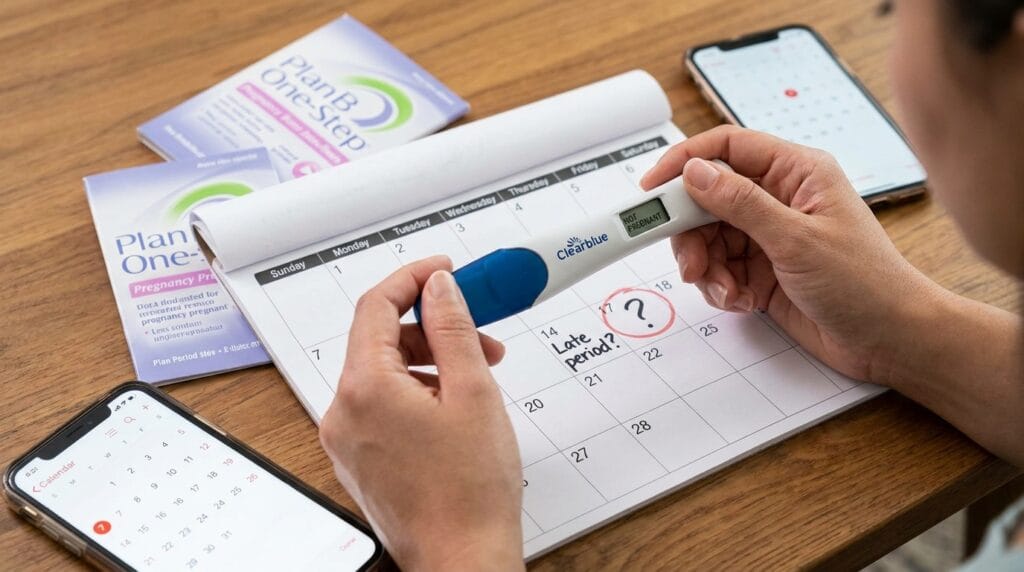
A prenatal vitamin can support your body, but it cannot tell you whether you are pregnant. Testing still matters. For many people, the best time to take a home pregnancy test is after a missed period, ideally with first-morning urine. If you test too early, you may get a negative result even if pregnancy is still possible.
If your period is late and your test is negative, wait a few days and test again. Late ovulation, diluted urine, and testing too soon can all affect results. Our guide on when to take a pregnancy test explains timing, accuracy, and when to retest.
If you are still unsure after a negative result, visit our article on pregnant but testing negative. It explains common reasons for confusing results and when to seek medical help.
For a trusted external resource, you can also read the CDC’s folic acid guidance, which explains why folic acid matters before and during early pregnancy.
If your test is positive, schedule prenatal care and tell your provider what supplement you are taking. If pregnancy is unplanned and you feel overwhelmed, start with one step at a time. Our guide on what to do if you think you might be pregnant can help you organize your next move.
In the end, prenatal vitamins before test is not about panic or perfection. It is about giving your body support while you wait for a clear answer. Focus on folic acid first, pay attention to nutrients like choline, avoid unnecessary high-dose supplements, and test at the right time. If pregnancy is confirmed, your healthcare provider can help you choose the best prenatal plan for your body and your situation.