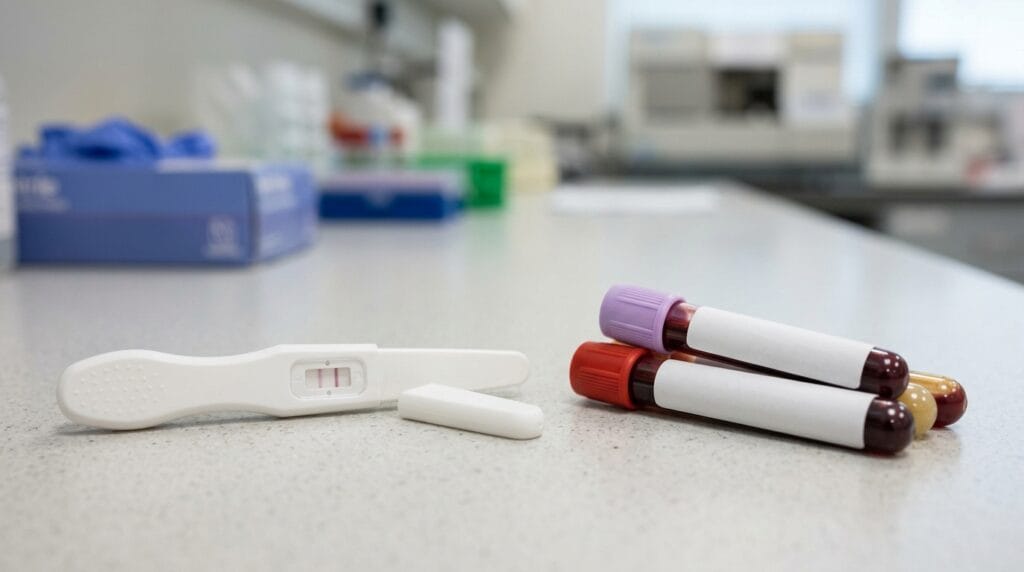

A chemical pregnancy can feel confusing, shocking, and emotionally heavy. One day, you may see a positive pregnancy test. A few days later, bleeding starts, your period arrives, or a second test looks negative. That sudden change can leave you asking, “Was I really pregnant?” or “Did I do something wrong?”
First, take a breath. A chemical pregnancy is a very early pregnancy loss. It often happens before an ultrasound can show anything, which is why many people only know it happened because they tested early. This does not make the experience fake or meaningless. If you saw a true positive test, your body detected pregnancy hormone. That matters, especially if you were hoping for a pregnancy or feeling scared about one.
This guide explains what a chemical pregnancy means, why a positive test may turn negative, how it can look different from implantation bleeding or a regular period, and when to call a healthcare provider. It also connects with helpful Could Be Pregnant resources, including When to Take a Pregnancy Test, Implantation Bleeding vs Period, and What to Do If You Think You Might Be Pregnant.
What a Chemical Pregnancy Means
A chemical pregnancy usually happens very early, often around the time a period would arrive or shortly after a missed period. The pregnancy begins, hCG rises enough for a test to detect it, and then the pregnancy stops developing before it can be seen on ultrasound. Because the loss happens so early, the bleeding may look like a late, heavier, or more crampy period.
This is one reason early pregnancy testing can feel emotionally complicated. Modern home tests can detect pregnancy earlier than many people used to know. That gives answers sooner, but it can also reveal very early losses that may have previously gone unnoticed. If this happens to you, your emotions are valid. Some people feel grief. Some feel relief. Some feel numb. Some feel all of it at once.
Why a positive test can turn negative

Pregnancy tests detect hCG, a hormone your body starts making after implantation. In a chemical pregnancy, hCG may rise enough to create a positive test, then fall as the pregnancy stops developing. Once hCG drops below the test’s detection level, a later test may look lighter or negative.
This can feel like the test “lied,” but a positive result followed by bleeding or a negative test often means the first test detected a real early pregnancy. It may also explain why some people see a faint positive line for one or two days, then see the line fade. If you are unsure whether the result was a true positive, retesting and speaking with a provider can help.
It is not your fault
A chemical pregnancy is not caused by normal daily activities like walking, working, exercising, having sex, feeling stressed, or lifting something ordinary. In many very early losses, the embryo likely had a chromosomal issue that prevented continued development. That explanation does not remove the sadness, but it can reduce self-blame. You did not cause this by wanting the pregnancy too much, worrying too much, or missing one perfect habit.
It may feel like a late or heavy period
Some people only notice a chemical pregnancy because their period arrives a few days late and feels heavier or more painful than usual. Others notice because they tested early and got a positive result before bleeding started. Bleeding may last like a normal period, or it may feel slightly different. If bleeding is severe, pain is one-sided, you feel faint, or something feels wrong, seek medical care right away.
Chemical pregnancy vs implantation bleeding
Implantation bleeding and chemical pregnancy can be easy to confuse because both may happen around the expected period window. Implantation bleeding is usually light spotting that can occur when a fertilized egg attaches to the uterine lining. A chemical pregnancy usually involves a positive test followed by bleeding, fading tests, or a negative test as hCG drops.
The timing, amount of bleeding, pain level, and test pattern can offer clues, but they cannot always give a clear answer at home. If you are trying to decide whether to test, review Implantation Bleeding vs Period. If you already had a positive test and then started bleeding, it may be time to contact your provider, especially if pain or heavy bleeding appears.
One test is not always the full story
A single pregnancy test gives information for one moment in time. It does not show whether hCG is rising, falling, or staying the same. If your test result changes quickly, your provider may suggest repeat testing or blood hCG tests. Blood tests can measure hCG more precisely and help clarify what is happening, especially when symptoms do not match the home test result.
What to Do After a Suspected Chemical Pregnancy
If you suspect a chemical pregnancy, start by caring for your body and emotions. Use pads if you are tracking bleeding, rest when you can, and write down dates: when you tested positive, when bleeding started, how heavy it became, and whether you had pain. These details can help your healthcare provider understand the timeline.
You can also retest after a few days if you are unsure what is happening. A test that becomes negative may suggest hCG is falling. A test that stays positive, gets darker, or comes with unusual symptoms deserves medical guidance. If you had a negative test but still feel pregnant, this guide may help: Negative Pregnancy Test but You Still Feel Pregnant.
When to call a doctor or seek urgent care

Call your healthcare provider if you had a positive test followed by bleeding, repeated positive and negative results, strong cramps, or questions about what happened. Seek urgent care if you have severe abdominal pain, one-sided pelvic pain, shoulder pain, dizziness, fainting, heavy bleeding, fever, or weakness. These symptoms need prompt attention because early pregnancy complications, including ectopic pregnancy, can be serious.
ACOG explains early pregnancy loss as pregnancy loss before 13 completed weeks and provides patient guidance on symptoms, diagnosis, and care options. You can read more from the American College of Obstetricians and Gynecologists on early pregnancy loss.
Ask about blood hCG testing if results are unclear
If your home tests keep changing or your symptoms feel confusing, ask whether a quantitative hCG blood test makes sense. Your provider may order one test and then repeat it to see whether the number rises or falls. This can help separate a resolving early loss from a pregnancy that needs closer follow-up. Do not try to diagnose everything from line darkness alone, because hydration, test brand, timing, and urine concentration can all affect results.
Emotionally, give yourself permission to respond honestly. Some people feel devastated after a chemical pregnancy. Others feel conflicted, especially if the pregnancy was unplanned. If you need emotional support while sorting out your next step, you may find Unplanned Pregnancy Support helpful. If you plan to keep trying, you may also want to read Prenatal Vitamins Before a Positive Test.
In conclusion, a chemical pregnancy can explain a positive test followed by bleeding, a fading line, or a negative test a few days later. It usually happens very early, before an ultrasound can show a pregnancy. It can feel physically simple for some people and emotionally painful for others. Both reactions are valid.
The most important steps are to watch your symptoms, avoid blaming yourself, contact a provider if you are unsure, and seek urgent care for severe pain, heavy bleeding, dizziness, or fainting. You deserve clear answers and compassionate care, no matter how early the pregnancy was.
Medical disclaimer: This article is for educational purposes only and is not a substitute for medical advice, diagnosis, or emergency care. If you have severe pain, heavy bleeding, dizziness, fainting, fever, shoulder pain, or symptoms that worry you, contact a healthcare professional or emergency services immediately.