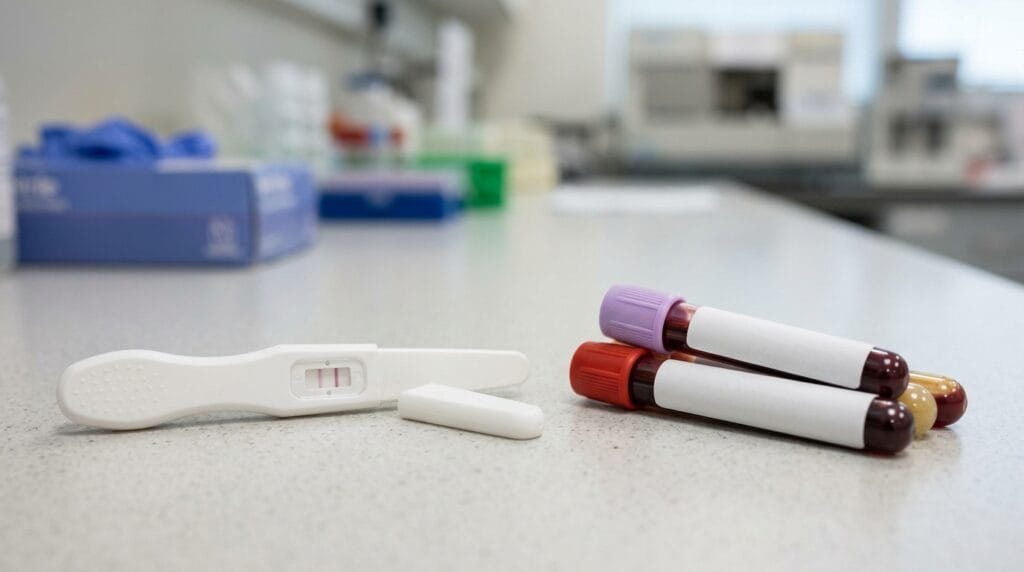

If you are wondering whether you could be pregnant, the start of flu season can create another question: can you get a flu shot if you might be pregnant?
For the 2026–27 flu season, the answer is generally yes. CDC recommends annual flu vaccination for people ages 6 months and older who do not have a reason they should not receive it. Pregnant women are specifically included in that recommendation.
The type of vaccine matters, however. During pregnancy, CDC recommends an injectable flu vaccine rather than the live attenuated nasal-spray vaccine.
The timing also matters less than many people assume. An injectable flu vaccine can be given during any trimester of pregnancy.
That means you do not normally need to wait until the second trimester simply because you recently received a positive pregnancy test.
If you are not sure whether you are pregnant yet, tell the pharmacist, nurse, or healthcare professional before vaccination. They can help choose a vaccine that is appropriate if pregnancy is possible.
This guide explains the 2026–27 recommendations, what changed in this season’s vaccine, and how flu vaccination fits with other pregnancy-related vaccines.
Why Flu Vaccination Matters During Pregnancy in 2026–27
Influenza is more than a bad cold.
Pregnancy changes the immune system, heart, and lungs. Those changes can make flu complications more serious during pregnancy.
CDC says pregnant women have a higher risk of severe influenza illness and hospitalization compared with people who are not pregnant.
Vaccination helps reduce the risk of influenza and its complications.
There is another benefit. Antibodies created after vaccination can cross the placenta. That may help protect the baby during the first months after birth, before an infant is old enough to receive a flu vaccine.
This is one reason flu vaccination is part of routine prenatal care rather than something that only matters to people with other medical conditions.
What Changed for the 2026–27 Flu Season?
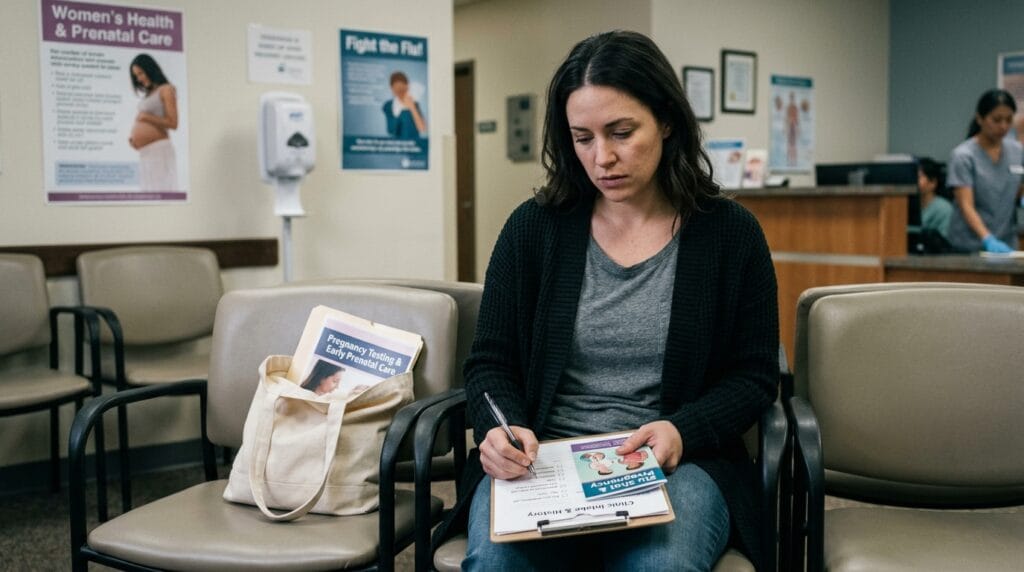
CDC released updated information for the 2026–27 influenza season in September 2026.
The biggest change is the vaccine composition.
All three virus components used in U.S. seasonal flu vaccines were updated compared with the 2025–26 season.
The vaccine remains trivalent, which means it targets three main influenza virus groups.
The updated formulation includes protection aimed at influenza A(H1N1), influenza A(H3N2), and influenza B viruses expected to circulate during the season.
CDC notes that one reason for the update was the spread of an H3N2 subclade during the previous flu season.
All Three Vaccine Components Were Updated for 2026–27
Flu viruses change over time. That is why influenza vaccines are reviewed and updated regularly.
For 2026–27, the FDA recommended changing all three virus components from the previous season.
This does not mean last year’s vaccine suddenly became dangerous or ineffective.
It means the current vaccine was adjusted to better match the strains experts expect to circulate during this flu season.
That is also why flu vaccination is recommended every year rather than once for life.
For someone who recently discovered a pregnancy, this can be useful information. Receiving a flu shot last year does not replace the current seasonal dose.
If you have recently had a positive pregnancy test and are organizing your first steps, our guide on what to do if you think you might be pregnant can help you organize testing, appointments, and early pregnancy questions.
Pregnancy Calls for the Flu Shot, Not the Nasal Spray
The words “flu vaccine” can refer to more than one product.
Most people receive an injection. Another option, commonly known as the nasal-spray flu vaccine, contains live attenuated influenza virus.
CDC says pregnant women should receive a flu shot and should not receive the nasal-spray flu vaccine during pregnancy.
The injectable vaccines used during pregnancy are not live influenza vaccines.
If you are standing at a pharmacy and are unsure which product is being offered, say that you are pregnant or may be pregnant.
You do not need to know every vaccine brand. The healthcare professional can identify an option that is appropriate for pregnancy.
If you received a nasal-spray vaccine before knowing you were pregnant, do not assume that something harmful has happened. Contact your healthcare professional for individualized advice rather than relying on alarming social-media posts.
What If You Are Not Sure Whether You Are Pregnant Yet?
This situation is common.
You may be waiting for your period, testing early, or dealing with an unclear result while flu-vaccine appointments are already available.
You do not need to diagnose pregnancy from symptoms before making every health decision.
If pregnancy is possible, tell the vaccine provider.
An injectable flu vaccine is recommended during pregnancy, so choosing the pregnancy-appropriate shot can avoid the nasal-spray issue while you are still uncertain.
Testing at the right time can also reduce confusion.
Home pregnancy tests detect human chorionic gonadotropin, or hCG. Testing too early may produce a negative result even when pregnancy is developing.
Our guide on when to take a pregnancy test explains how timing affects test accuracy.
You Can Receive an Injectable Flu Vaccine During Any Trimester
Some people have heard that vaccines should be delayed until after the first trimester.
That is not CDC’s recommendation for the flu shot.
CDC states that influenza vaccination with an appropriate injectable vaccine is recommended during any trimester of pregnancy.
This includes the first trimester.
That timing matters because flu season does not wait for pregnancy to reach a particular week.
If you are early in pregnancy during October, delaying vaccination for several months could leave you unprotected during part of the flu season.
Your own health history may still affect vaccination decisions.
Tell your healthcare professional if you previously had a severe allergic reaction to a vaccine or vaccine ingredient, had Guillain-Barré syndrome, are currently seriously ill, or have another concern that may affect vaccination.
Those situations require individualized guidance rather than a general online rule.
How the Flu Shot Fits With Other Pregnancy Vaccines and Prenatal Care
Pregnancy can suddenly make the vaccine schedule feel complicated.
You may hear about influenza, Tdap, RSV, and COVID-19 vaccination within a relatively short period.
Each serves a different purpose and may follow a different timing recommendation.
The flu shot is seasonal and can be given during any trimester.
Tdap is usually timed later in each pregnancy to help protect the newborn against whooping cough.
The maternal RSV vaccine follows a much narrower pregnancy window.
CDC recommends Pfizer’s Abrysvo during weeks 32 through 36 of pregnancy and usually between September and January in most of the continental United States.
Our RSV vaccine during pregnancy guide explains that timing in detail.
You May Be Able to Receive More Than One Vaccine at the Same Visit

Having several recommended vaccines does not always require several separate appointments.
CDC says influenza vaccination may be given during the same visit as other recommended vaccines when appropriate.
That can make prenatal care easier, especially when appointments are difficult to schedule.
Still, there is no need to create your own vaccine timetable from internet articles.
Your healthcare professional can review your gestational age, vaccination history, due date, medical conditions, allergies, and local disease activity.
If your prenatal visit schedule looks different from what you expected, that may also be normal. ACOG now supports a more individualized approach to prenatal visits for many patients.
Our 2026 tailored prenatal care guide explains why some pregnancies may include a different mix of in-person visits, telehealth, and monitoring.
Call a Healthcare Professional if Flu Symptoms Become Severe During Pregnancy
Vaccination reduces risk, but it cannot guarantee that you will never get influenza.
If you develop flu-like symptoms during pregnancy, contact a healthcare professional for advice.
Pregnancy places you in a group at higher risk for influenza complications.
Do not rely only on fever level to decide whether illness matters.
Seek urgent medical help for severe difficulty breathing, chest pain, fainting, severe dehydration, confusion, or other symptoms that feel dangerous.
Pregnant patients should also seek care for pregnancy-specific warning signs such as heavy bleeding, severe abdominal pain, or other symptoms their prenatal team has told them require immediate evaluation.
If you have not confirmed pregnancy yet, the same basic principle applies. Serious symptoms need medical attention whether or not the pregnancy test is positive.
It is also reasonable to ask before taking over-the-counter cold or flu medicines. Pregnancy can change which medicines are preferred and when they should be used.
flu shot if you might be pregnant in 2026–27
The key point is straightforward: if you are wondering whether you can get a flu shot if you might be pregnant in 2026–27, pregnancy itself is not a reason to avoid the recommended injectable flu vaccine.
CDC recommends flu vaccination during pregnancy and allows it during any trimester.
The important distinction is the vaccine type. Pregnant women should receive a flu shot rather than the live nasal-spray vaccine.
The 2026–27 vaccine is also newly updated. All three virus components changed from the previous season to better match influenza viruses expected to circulate.
If you are unsure whether you are pregnant, tell the person giving the vaccine. If your test later becomes positive, mention your vaccination history during your prenatal visit.
You can review the latest seasonal information through the CDC 2026–27 Flu Season guidance.
Medical note: This article provides general educational information and is not a substitute for medical advice. Vaccine recommendations can depend on allergies, previous reactions, medical history, pregnancy circumstances, and future updates to public-health guidance.