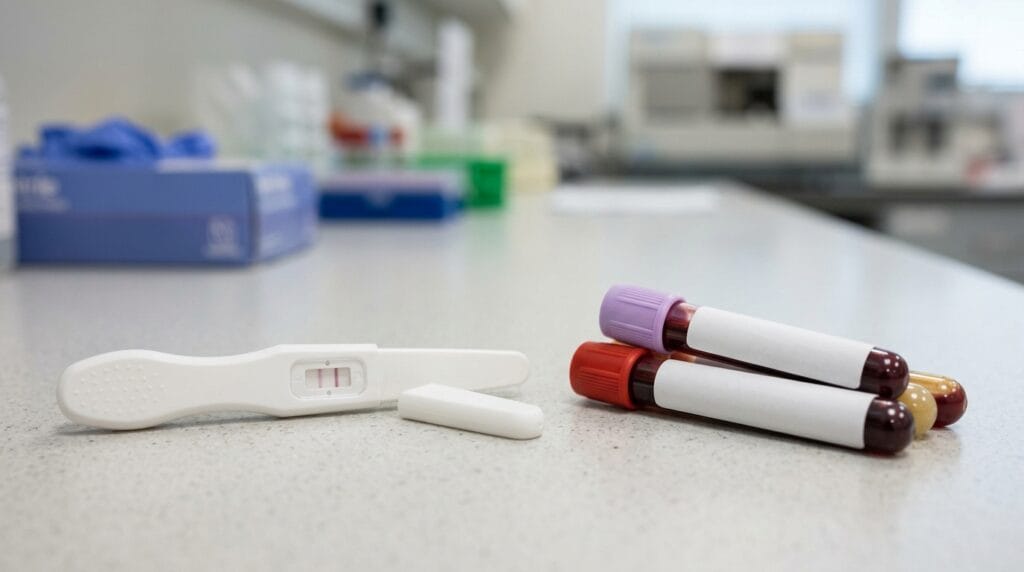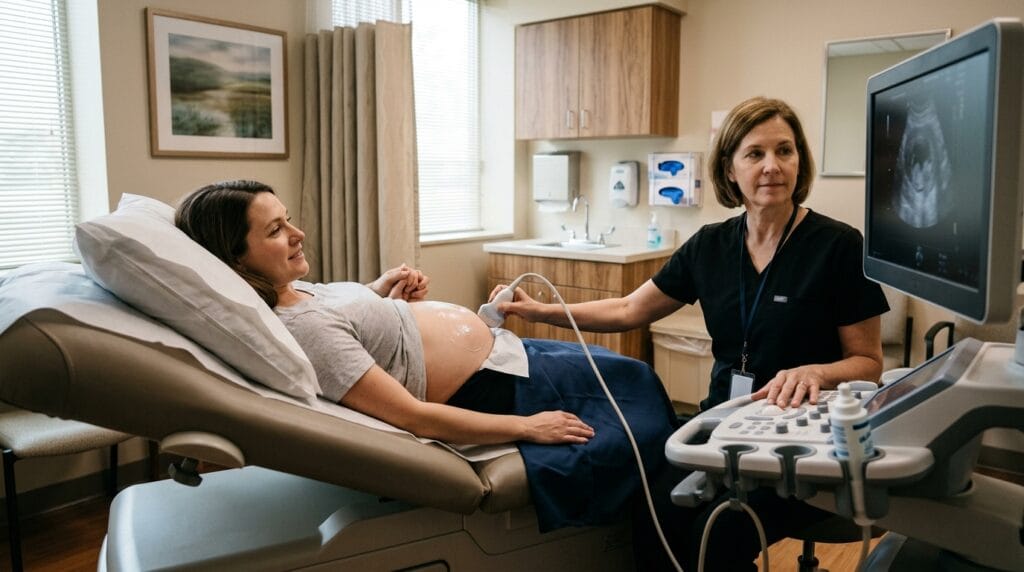

Telehealth after a positive pregnancy test can be helpful when you need answers quickly, especially if the first available in-person appointment is still weeks away. A positive test can bring excitement, fear, shock, relief, confusion, or all of those feelings at once. Then comes the practical question: what do you do next?
In 2026, more people are using virtual care for early pregnancy questions, test timing, medication reviews, symptom concerns, and appointment planning. Telehealth can be a useful first step because it helps you speak with a qualified healthcare provider without waiting for every question to be handled in the office. However, virtual care has limits. It cannot replace blood pressure checks, lab work, pelvic exams, ultrasounds, or emergency care when symptoms are serious.
The best way to think about telehealth is simple: it can guide you, but it cannot do everything. It can help you organize your next steps after a positive pregnancy test, but you still need proper prenatal care. If you are still at the “I think I might be pregnant” stage, start with this guide: What to Do If You Think You Might Be Pregnant.
Why Telehealth Is Becoming a Common First Step After a Positive Test
Telehealth is becoming popular because early pregnancy often comes with urgent questions but not always urgent medical needs. You may want to know whether your test is reliable, when to schedule your first visit, whether symptoms are normal, what vitamins to take, or whether a medication is safe. Those questions can often be discussed virtually before your first in-person appointment.
Access is another reason. Some people live far from an OB-GYN, have limited transportation, work unpredictable hours, or cannot get a quick appointment. A virtual visit can help bridge the gap. It can also reduce anxiety by giving you a plan instead of leaving you alone with search results and symptom checkers.
Still, telehealth should not delay necessary care. If you have pain, heavy bleeding, fainting, severe dizziness, fever, or other worrying symptoms, do not wait for a routine virtual appointment. Those symptoms may need urgent in-person evaluation.
What a virtual visit can usually cover
A telehealth visit after a positive pregnancy test can usually cover your test result, last menstrual period, cycle history, symptoms, medications, supplements, health conditions, previous pregnancies, and possible risk factors. The provider may ask when you tested, whether the line was faint or clear, whether you used first-morning urine, and whether you have repeated the test.
They may also ask about bleeding, cramping, pelvic pain, nausea, vomiting, dizziness, fever, and one-sided pain. These details help determine whether you can wait for a regular prenatal visit or whether you need earlier in-person care. A virtual appointment can also help you decide whether a blood pregnancy test or ultrasound may be needed.
It can help confirm timing and next steps

Telehealth can help you understand pregnancy timing. Many providers estimate pregnancy weeks from the first day of your last menstrual period, not from the day you had sex or the day you tested positive. If your periods are irregular, if you are unsure of dates, or if you recently stopped birth control, timing may be less clear.
This is where a virtual visit can help organize the information. The provider may ask about your cycle length, ovulation tracking, test dates, bleeding, and symptoms. If you tested early and the result was faint, they may recommend repeating a home test, getting blood work, or waiting for an ultrasound at the right time. If you are unsure about test accuracy, read When to Take a Pregnancy Test.
It can review medications, supplements, and lifestyle questions
Another useful part of telehealth is medication review. After a positive test, many people suddenly wonder whether they can keep taking allergy medicine, acne medication, antidepressants, pain relievers, supplements, or other prescriptions. Do not stop important medication without medical guidance, but do ask quickly.
A provider can help you decide what needs review, what should continue, and what may need adjustment. They may also discuss prenatal vitamins, folic acid, alcohol, smoking, substances, caffeine, food safety, nausea, hydration, and warning signs. This kind of early guidance can be valuable while you wait for the first full prenatal visit.
What telehealth cannot replace
Telehealth is useful, but it is not a full prenatal exam. A video call cannot check your blood pressure accurately unless you have a reliable home monitor. It cannot draw blood, test urine, perform an ultrasound, confirm the pregnancy location, or physically examine severe pain or heavy bleeding. That is why in-person care still matters.
Early pregnancy care may include lab tests such as blood type, Rh factor, complete blood count, urine testing, infection screening, and other checks based on your health history. Some people may also need earlier ultrasound evaluation, especially if dates are uncertain, symptoms are concerning, or there is a history of pregnancy complications.
Telehealth should be treated as a doorway into care, not the whole care plan. If your provider recommends in-person testing, do not skip it just because the virtual visit felt reassuring.
Labs, ultrasound, and vital signs still require in-person care
Blood work and ultrasound can answer questions that a video visit cannot. Blood tests may help confirm pregnancy hormone levels or check health markers. Ultrasound can help confirm dating, location, and development when performed at the appropriate time. Vital signs such as blood pressure and weight can also matter, especially if you have existing medical conditions.
In-person care is especially important if you have diabetes, high blood pressure, thyroid disease, autoimmune conditions, kidney disease, seizure disorders, a history of ectopic pregnancy, recurrent loss, severe anemia, or medications that need pregnancy-specific review. Telehealth can help triage these concerns, but it should not replace medical follow-through.
When Virtual Care Helps—and When to Go In Person

Virtual care helps most when your symptoms are mild, your question is not an emergency, and you need a clear plan. It can be a good option if you recently tested positive and want to know when to schedule your first visit, what information to gather, whether to repeat a test, or what early lifestyle changes matter.
It can also help if you cannot get an appointment right away. A short virtual visit may give you guidance while you wait. You can ask what symptoms to watch for, when to call back, whether to start prenatal vitamins, and what records to prepare. You can also ask whether your situation calls for earlier labs or an ultrasound.
Telehealth may also reduce the temptation to rely only on apps. Pregnancy apps can be useful for tracking dates and symptoms, but they are not a substitute for a provider. If you use apps, be careful about what personal information you enter. For privacy tips, read Pregnancy App Privacy in 2026.
How to prepare for a telehealth visit after a positive test
Before your virtual appointment, write down the first day of your last period, the date you tested positive, the type of test you used, whether the line was faint or strong, and whether you repeated the test. Also list symptoms such as bleeding, cramping, nausea, vomiting, dizziness, breast tenderness, pelvic pain, or fever.
Prepare a medication and supplement list. Include prescriptions, over-the-counter medicines, vitamins, herbal products, and any recent emergency contraception or fertility treatments. Write down medical conditions, past surgeries, previous pregnancies, miscarriages, ectopic pregnancy history, and allergies.
Ask direct questions. When should I schedule my first prenatal appointment? Do I need blood work? Do I need an early ultrasound? Which symptoms should make me seek urgent care? Should I continue my current medication? What prenatal vitamin do you recommend? What should I avoid until my first visit?
If your result is unclear or your tests do not match your symptoms, a virtual visit may help you decide what to do next. You can also review this guide on confusing results: Pregnant but Testing Negative?
For external medical guidance, ACOG explains that some prenatal care may be offered through telehealth when in-person services such as physical exams or laboratory tests are not needed. You can read more here: ACOG Prenatal Care FAQ.
Warning signs should not wait for a routine video visit
Some symptoms need urgent in-person care. Seek medical help right away if you have severe pelvic or abdominal pain, heavy bleeding, fainting, severe dizziness, shoulder pain, fever, shortness of breath, or pain that is one-sided and worsening. These symptoms may have causes that need immediate evaluation.
Also call your provider promptly if you cannot keep fluids down, have signs of dehydration, have bleeding with pain, or feel something is seriously wrong. A virtual appointment is helpful for many early questions, but it should never become a barrier to urgent care.
Final Thoughts: Telehealth after a positive pregnancy test can be a smart first step in 2026, especially when you need guidance before your first in-person appointment. It can help you understand test timing, review symptoms, ask medication questions, and plan prenatal care. But telehealth cannot replace labs, ultrasound, vital signs, physical exams, or emergency evaluation. Use virtual care for guidance, but follow through with in-person care when recommended. A positive test deserves calm, clear next steps—not panic, guessing, or waiting too long to ask for help.