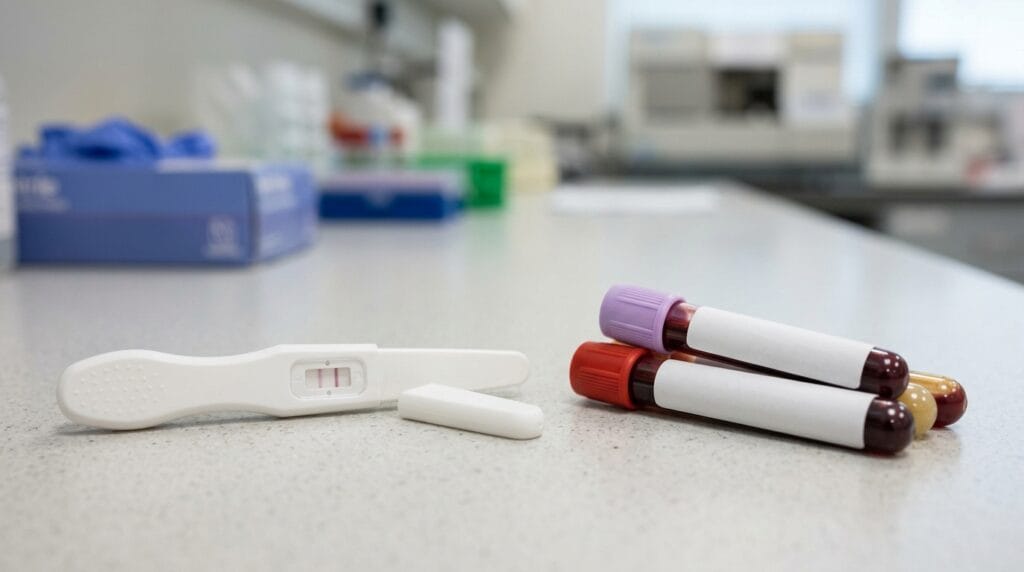

Pregnancy app privacy is a bigger issue in 2026 because more people use apps to track cycles, symptoms, ovulation, test results, due dates, moods, medications, sex, bleeding, and early pregnancy changes. These tools can feel helpful when you are trying to understand your body. They can organize dates, show patterns, send reminders, and make confusing symptoms feel easier to follow.
But reproductive health data is sensitive. A pregnancy app may know when your period is late, when you took a test, whether you are trying to conceive, whether you logged bleeding, whether you reported a loss, or whether you searched for pregnancy options. That information can feel private, but the way an app stores, uses, shares, or protects it depends on the company behind it.
This does not mean every pregnancy app is unsafe or that you should never use one. It means you should treat pregnancy app privacy as part of your health decision-making. Before entering deeply personal information, it helps to know what data you are sharing, where it may go, and what choices you have.
In 2026, the safest mindset is simple: use digital tools with awareness. An app can support tracking, but it should not replace medical care, personal judgment, or careful privacy choices.
Why Pregnancy App Privacy Matters More Than Ever
Pregnancy app privacy matters because reproductive information can reveal more than a simple health habit. A cycle date can suggest ovulation timing. A missed period can suggest pregnancy. A symptom log can show nausea, cramping, bleeding, mood changes, or breast tenderness. A test-result entry can record a possible pregnancy before anyone else knows.
Many people use apps during emotionally sensitive moments. You may be trying to conceive, waiting to test, worried after a faint line, tracking bleeding, or deciding what to do after an unexpected result. During those moments, privacy may not be the first thing on your mind. You may simply want answers.
That is understandable. Still, privacy deserves attention before a crisis. The more sensitive the information, the more carefully you should decide where to store it. If you already use smart devices or health apps, our guide on Fertility Tracking Wearables in 2026 can help you understand how apps, rings, watches, and temperature data may fit into fertility awareness.
Apps may collect more than you realize
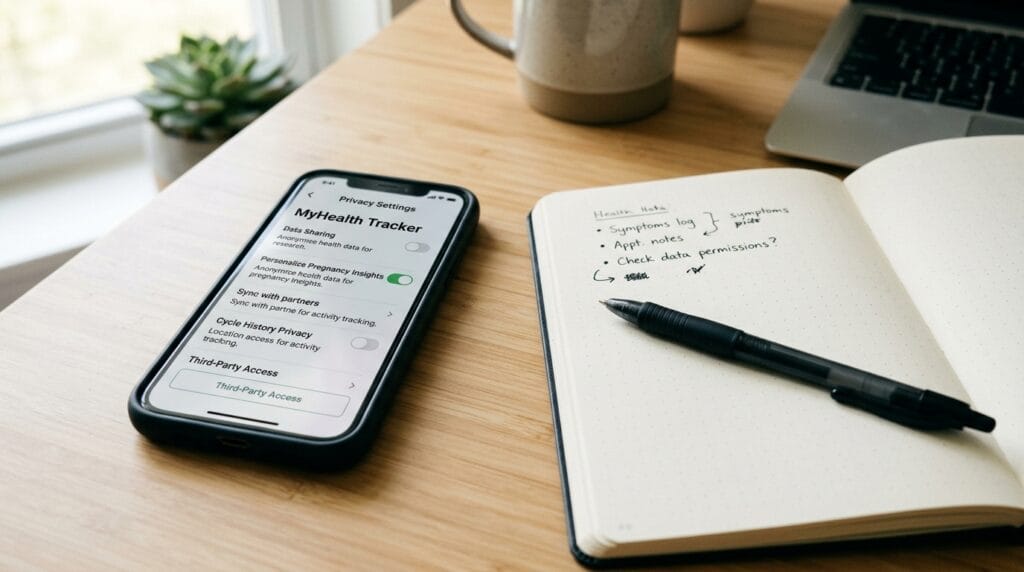
A pregnancy app may collect information you type in directly, such as period dates, symptoms, pregnancy test results, sexual activity, contraception use, ovulation tests, cervical mucus, mood, weight, appointments, medication, and due-date details. Some apps may also collect technical data such as device identifiers, app usage, approximate location, advertising IDs, or analytics events.
The concern is not only what you enter. It is also what the app can infer. If you log a late period, nausea, positive test, and prenatal vitamin reminders, the app may infer pregnancy status. If you stop logging a pregnancy or begin logging bleeding, the app may infer a possible loss or pregnancy change. These are deeply personal details.
Some apps use data to personalize content, improve features, or support reminders. Others may use analytics tools, advertising tools, third-party integrations, or business partners. Privacy policies explain this, but they can be long, vague, or difficult to understand. That is why users need a practical checklist, not just trust.
Symptom tracking can reveal private life details
Symptom tracking may feel harmless because it looks like a simple daily habit. However, symptoms can reveal intimate patterns. Logged nausea, fatigue, missed periods, cramps, spotting, breast tenderness, mood changes, libido, and sex dates can say a lot about your reproductive health.
If you would not feel comfortable sharing that information publicly, treat it as sensitive before you place it in an app. Ask whether the app needs that detail, whether you can track it more generally, and whether a private note or paper journal would work better for certain entries.
Test-result tracking deserves extra caution
Some people enter pregnancy test results into an app right away because they want a record. That may help if you are trying to track timing before calling a provider. But a positive pregnancy test is highly sensitive information. If privacy is a concern, you may choose to write the result in a private notebook, save it in a secure personal note, or wait until you speak with a healthcare provider.
If you recently tested positive and feel unsure what to do next, read Positive Pregnancy Test Next Steps in 2026. That article can help you focus on confirming the result, calling a provider, and preparing for the first appointment without relying only on an app.
Privacy policies are worth reading before you enter sensitive data
Privacy policies are not exciting, but they matter. Before using a pregnancy or fertility app, look for clear answers. What data does the app collect? Does it share data with advertisers, analytics providers, affiliates, researchers, or business partners? Can you delete your account and data? Does the company explain how it handles legal requests? Does it use encryption? Can you opt out of targeted ads?
If the policy feels vague, that is a warning sign. A company handling reproductive health information should explain its practices clearly. Words like “partners,” “improve services,” “personalization,” and “analytics” can mean different things depending on the app. Do not assume that “health app” automatically means “medical privacy.”
Many people also misunderstand legal protection. In some places, a doctor’s office or insurance-covered medical service may follow specific health privacy rules. A general wellness, fertility, or pregnancy app may not receive the same protection. That difference matters because users often enter medical-level information into consumer apps.
Free apps may still have a business model
A free app still needs money to operate. Some apps make money through subscriptions, premium features, ads, affiliate offers, product recommendations, sponsored content, or data-driven marketing. None of these models automatically means an app is bad, but users should understand the tradeoff.
If an app is free, ask what the company receives in return. Are you seeing ads? Does the app recommend products? Does it share information with marketing partners? It allow third-party trackers? A privacy-conscious app should make those answers easy to find.
How to Track Pregnancy Information More Safely

Pregnancy app privacy does not require an all-or-nothing decision. You can use digital tools while limiting what you share. The key is to separate helpful tracking from unnecessary detail. You may not need to enter every symptom, emotion, test result, sexual detail, or medical concern into an app.
Start by deciding what the app is for. Is it only for period dates? Ovulation reminders? Due-date information? Appointment reminders? General education? The narrower the purpose, the less data you may need to share. Use the minimum information needed to get the benefit you want.
You can also combine tools. For example, use an app for general cycle dates and a private notebook for sensitive symptoms or test results. Use a calendar for appointment reminders and keep medical questions in a secure note. This gives you convenience without placing everything in one digital profile.
Use privacy settings, limited data, and offline options
Check the app settings before you begin tracking. Turn off ad personalization if available. Limit location permissions unless the app truly needs them. Avoid connecting unnecessary third-party accounts. Use a strong password. Enable two-factor authentication if the app offers it. Review whether the app can access photos, contacts, Bluetooth, health data, or notifications.
Also review your phone settings. Some apps may request permissions that are not essential for symptom tracking. If a pregnancy app does not need location, do not give it location. If it does not need contacts, do not grant contacts. Small permission choices can reduce the amount of data connected to your reproductive health profile.
If you are tracking something very sensitive, offline options may feel safer. A paper journal, printed cycle chart, or private notebook does not offer reminders or predictions, but it also does not send data to a company. Some people prefer a hybrid approach: digital for general reminders, offline for private notes.
Delete what you no longer need
Many users keep old apps for years without thinking about the data inside them. If you stop using a pregnancy, fertility, or cycle app, check whether you can delete the account and request data deletion. Do not only remove the app icon from your phone. Uninstalling an app may not delete your account or stored data from the company’s servers.
Before deleting, save anything you truly need for your healthcare provider, such as cycle dates, medication notes, symptoms, or test timing. Then follow the app’s account deletion steps. If the app makes deletion difficult or unclear, that tells you something about how much control users really have.
Pregnancy app privacy also matters during uncertain moments. If you feel pregnant but keep getting negative tests, you may be tempted to log every symptom repeatedly. Before you do, read Negative Pregnancy Test but You Still Feel Pregnant. Sometimes late ovulation, testing too early, diluted urine, stress, or cycle changes can explain confusing results.
If a pregnancy is unexpected, privacy may feel even more important. You may need time to think, gather information, and talk with someone you trust. Our article on Unplanned Pregnancy Support can help you focus on next steps without panic.
For a real-world example of why reproductive health app privacy matters, the Federal Trade Commission charged that the developer of the Premom ovulation app deceived users by sharing sensitive personal information with third parties and disclosed health data to AppsFlyer and Google. You can read the FTC’s official announcement here: FTC Premom ovulation app privacy action.
The main takeaway is simple: pregnancy apps can be useful, but they should not receive unlimited trust by default. Read the privacy policy. Limit permissions. Enter only what you need. Avoid logging highly sensitive details unless you feel comfortable with how the app stores and shares data. Delete old accounts when you no longer need them.
Pregnancy app privacy is not about fear. It is about control. Your reproductive health information belongs to you. In 2026, smart tracking means using technology in a way that supports your body, your choices, and your privacy at the same time.
Disclaimer: This article is for general educational purposes only and is not medical or legal advice. If you have pregnancy symptoms, bleeding, severe pain, a positive test, or questions about your health, contact a qualified healthcare professional. If you have legal privacy concerns, speak with a qualified legal professional in your area.