Privacy note: This article is for educational purposes only. It is not legal advice, medical advice, or a review of any specific app. If you have health concerns, speak with a qualified healthcare professional. If you have legal or safety concerns about your digital data, consider speaking with a privacy professional or local legal support service.
But in 2026, pregnancy app privacy is no longer a small side issue. Your cycle dates, symptoms, sex history, birth control use, pregnancy test results, medication notes, miscarriage history, and location patterns can be deeply personal. Even if you are only using an app to remember when your last period started, the information you enter may reveal more than you realize.
This does not mean every app is dangerous or that you must delete every tracker immediately. It means you should treat pregnancy-related data as sensitive. Before you type private details into any app, it is worth asking: who can access this, how is it stored, is it shared with advertisers, and do I really need to enter this information here?
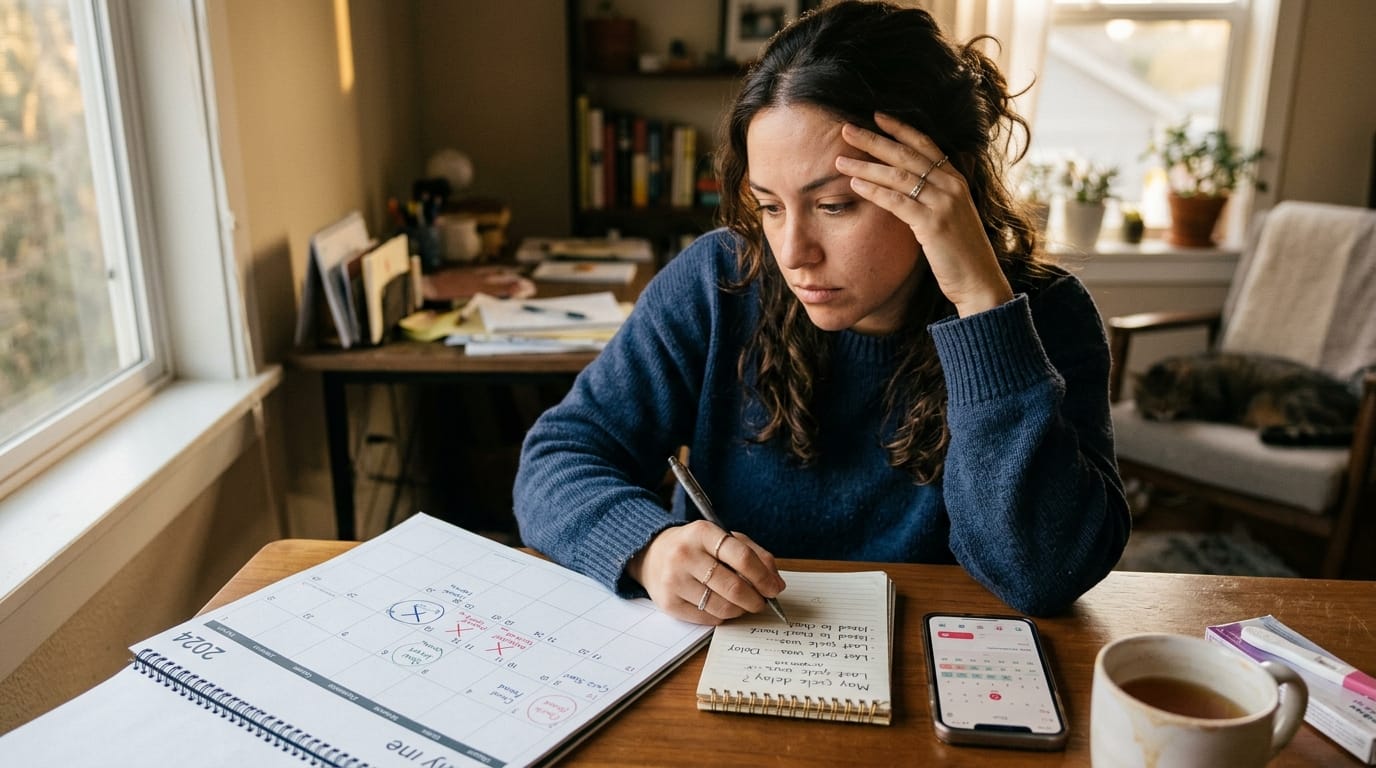
If you are mainly using an app because it says your period is late, start by remembering that app predictions are estimates, not proof. Your internal guide on AI period tracker predictions vs pregnancy reality explains why apps can be wrong about late periods and ovulation timing.
Why Pregnancy App Privacy Matters More Than People Think
Pregnancy and fertility data is not ordinary lifestyle data. It can reveal whether someone is trying to conceive, avoiding pregnancy, using contraception, tracking ovulation, experiencing symptoms, testing after a missed period, or seeking prenatal care. That information can be emotional, medical, financial, and personal all at once.
The problem is that many people treat apps like private diaries. They enter details they would never casually post online. Then they click “agree” on long privacy policies they do not have time to read. The app may feel personal, but it is still software. It may use analytics tools, advertising tools, cloud storage, third-party integrations, or tracking technologies behind the scenes.
That is why privacy should be part of pregnancy planning, not an afterthought. If you are worried enough to track every cramp, symptom, or test result, you deserve to know how that information may be handled.
What pregnancy and fertility apps may collect
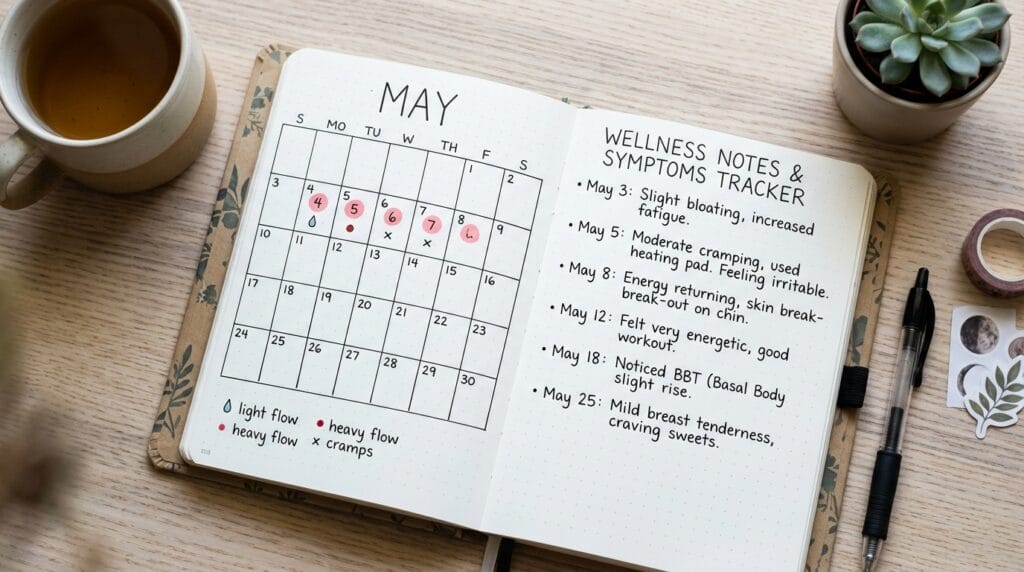
Different apps collect different information, but reproductive health apps may ask for period dates, cycle length, ovulation signs, cervical mucus, basal body temperature, sex dates, pregnancy test results, symptoms, mood, medications, weight, sleep, location, email address, device information, and advertising identifiers. Some apps also ask whether you are trying to conceive, pregnant, postpartum, breastfeeding, or using birth control.
That information may seem harmless in pieces. A period date alone may not feel very sensitive. A symptom entry alone may not feel like a big deal. But when combined, these details can create a very clear picture of your reproductive health.
Your symptoms can become marketing clues
If an app knows you are late, nauseous, testing, or trying to conceive, that information may be valuable for targeted advertising. You may start seeing ads for pregnancy tests, supplements, baby products, fertility services, or health content. Sometimes that feels convenient. Other times, it can feel invasive, especially if you have not told anyone that pregnancy is possible.
This is one reason to be careful before entering highly specific details. An app does not need your full emotional diary to remind you when to test. If you only need basic timing help, enter the minimum information necessary.
Why HIPAA may not protect your app data
Many people assume that anything health-related is automatically protected by HIPAA. That is not always true. HIPAA usually applies to covered healthcare providers, health plans, clearinghouses, and certain business associates. A general pregnancy tracker or fertility app may not be covered the same way your doctor’s office or hospital portal is.
This matters because a pregnancy app may still collect sensitive health-related information even if it is not protected like a medical record. The Federal Trade Commission explains that consumer health information can include details that reveal or allow inferences about someone’s health, including browsing information, location information, or purchase information related to health. For a deeper authority source, review the FTC’s guidance on collecting, using, or sharing consumer health information.
Free apps may still have a cost
A free app is not always truly free. Some apps earn money through ads, analytics, data partnerships, premium upgrades, or sponsored content. That does not automatically mean the app is unsafe, but it does mean you should understand the tradeoff. If a service is free, ask how the company pays for the app and whether your data helps support that business model.
Before installing a pregnancy or fertility app, check whether it explains data sharing clearly. Look for plain language about advertising, analytics, third parties, deletion options, and whether health data is used for personalization. If the policy is vague or confusing, that is a warning sign.
How To Use Pregnancy Apps More Safely in 2026
You do not have to choose between using technology and protecting your privacy. The goal is to use apps with intention. Keep the helpful parts, reduce unnecessary exposure, and avoid storing sensitive details that you do not actually need to track digitally.
Start with your reason for using the app. Are you tracking period dates only? Trying to conceive? Avoiding pregnancy? Managing PCOS? Watching symptoms after emergency contraception? Waiting to retest after a negative pregnancy test? Your answer should guide how much data you enter.
For example, if your main concern is whether you tested too early, you may not need an app at all. Your guide on the best time to take a pregnancy test and when to retest can help you plan timing without giving an app extra personal information.
A simple privacy checklist before entering sensitive data
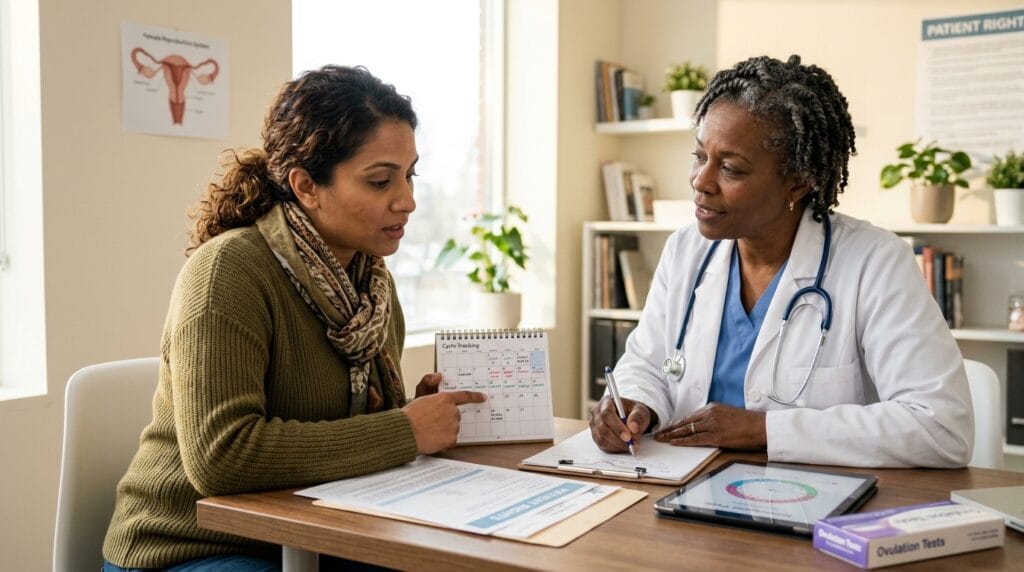
Before using a pregnancy or fertility app, check a few practical things. Does the app explain what data it collects? Does it say whether it shares information with advertisers or analytics companies? Can you delete your data? Can you use the app without creating an account? Does it offer passcode or biometric lock? Can you turn off location access? Does it let you export or erase your records?
Also check app permissions. A period tracker usually does not need constant location access, microphone access, contact access, or photo access unless you are using a specific feature that truly requires it. If an app asks for permissions that do not match what it does, be cautious.
If you are already using an AI pregnancy symptom checker, remember that these tools can organize clues but cannot confirm pregnancy. Your internal post on AI pregnancy symptom checkers in 2026 explains how these tools can help and where they can increase anxiety before you test.
Use the app as a reminder, not a medical record
One smart approach is to use the app for low-detail reminders, not full medical documentation. You can track the first day of your period, expected period date, and testing reminders without adding every sexual detail, every symptom, every pregnancy fear, or every personal note.
If you do want to keep detailed records for a doctor, consider a private notebook, encrypted notes app, or patient portal connected to your healthcare provider. The best option depends on your situation, but the principle is simple: the more sensitive the information, the more carefully you should choose where it lives.
When to choose offline tracking instead
Offline tracking may be better if you are in a sensitive situation, sharing a device, worried about someone accessing your phone, or uncomfortable with reproductive health data being stored online. A paper calendar, private notebook, or simple coded note can sometimes do the job without creating an app profile.
Offline tracking is also useful when you are anxious and checking the app too often. Constant refreshing can make late-period stress worse. If your app is feeding panic, step back and focus on facts: when sex happened, whether contraception was used, when your period was due, and when a test can give a reliable answer.
If you used emergency contraception and your period is late, your internal article on late period after Plan B in 2026 can help readers understand bleeding changes, test timing, and pregnancy risk without relying only on an app prediction.
If you already have a positive pregnancy test and are waiting for care, avoid putting every fear into a random app. Use trusted resources and contact a healthcare provider when symptoms are urgent. Your guide on what to do if you cannot get a prenatal appointment yet can help with next steps after a positive result.
The bottom line: pregnancy apps can be useful, but they should not get unlimited access to your reproductive life. In 2026, privacy is part of health literacy. Use apps carefully, enter only what you need, check permissions, understand data sharing, and remember that a pregnancy test and medical guidance matter more than any app prediction. Your body deserves clarity. Your private information deserves protection too.