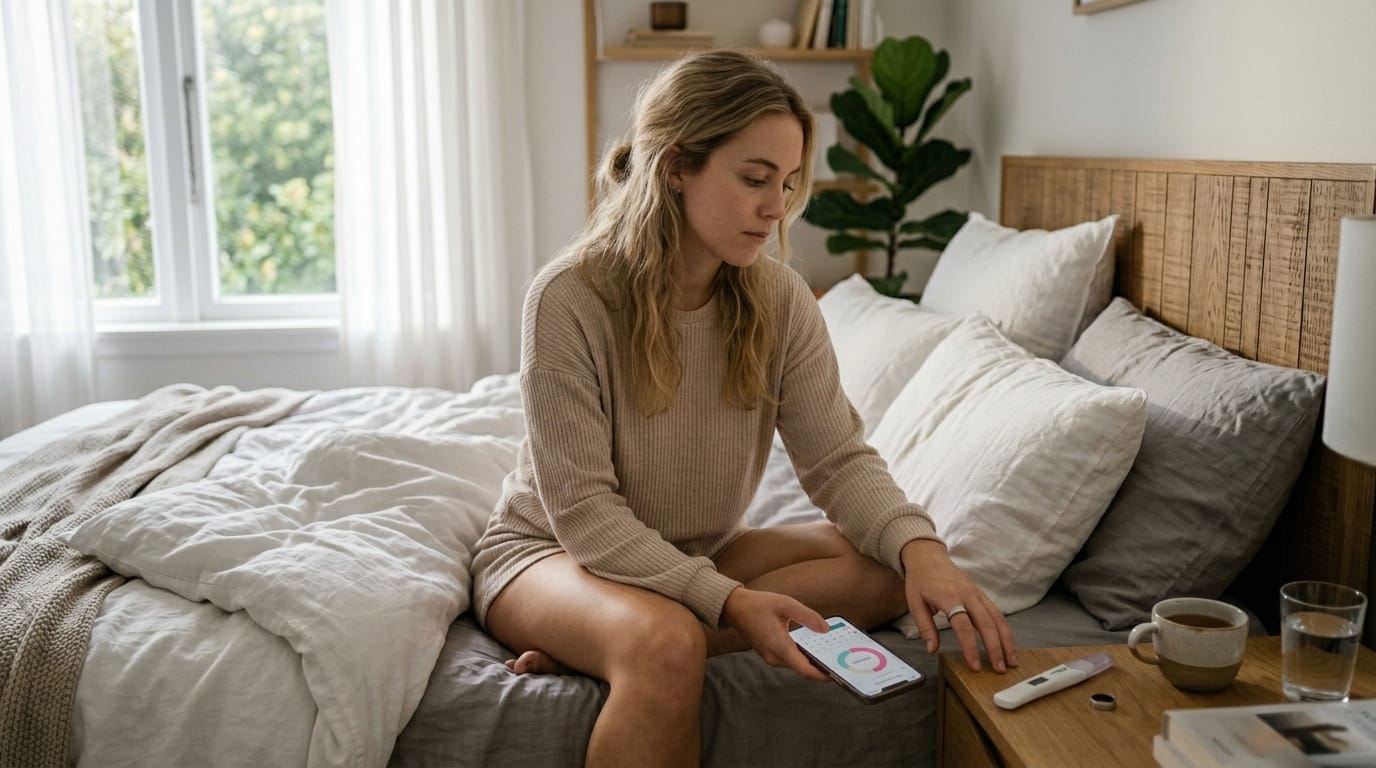
Fertility tracking wearables are becoming one of the biggest women’s health trends in 2026. Smart rings, watches, wristbands, temperature sensors, and cycle apps now promise to help users understand ovulation, fertile windows, period changes, sleep, body temperature, and sometimes early pregnancy-related patterns. For anyone wondering, “Could I be pregnant?” that sounds helpful. But it can also create confusion fast.
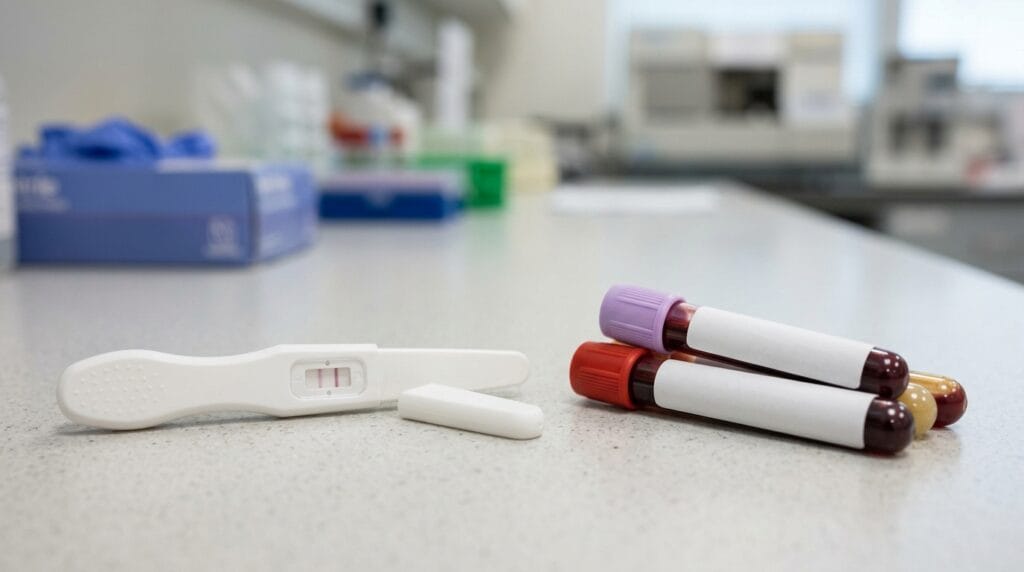
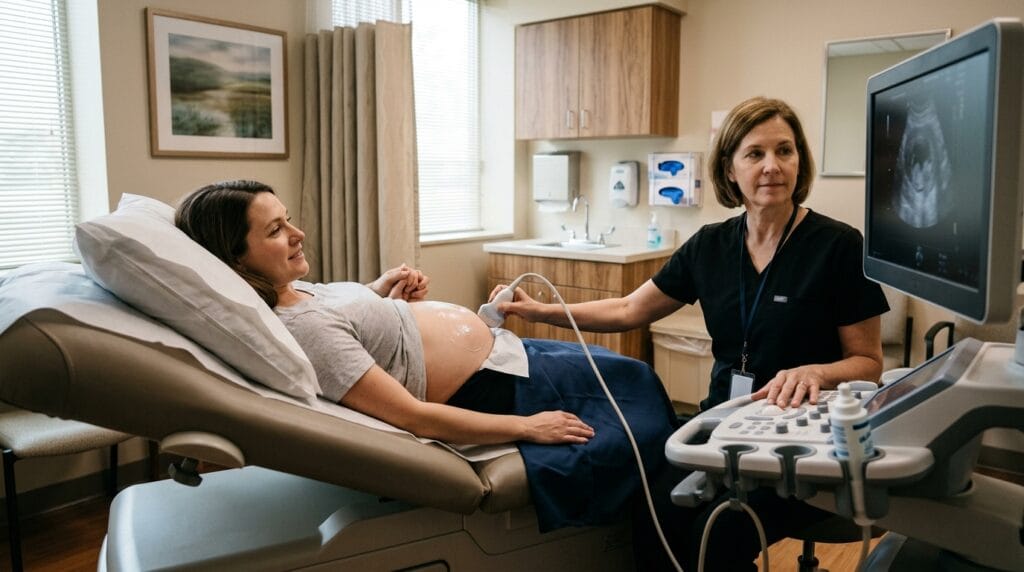
The truth is simple: a wearable can help you understand your cycle, but cannot confirm pregnancy. Only a pregnancy test, blood test, ultrasound, or medical evaluation can do that. Still, these devices can be useful when you know what they can and cannot tell you. They may show patterns that make you pay attention sooner, especially if your period is late, your temperature stays elevated, or your normal cycle data suddenly looks different.
This topic fits well with CouldBePregnant.com because many readers are already trying to understand early signs, late periods, ovulation, and testing timing. If you are tracking symptoms right now, you may also want to read 10 Early Signs You Might Be Pregnant and When to Take a Pregnancy Test.
Why Fertility Tracking Wearables Are Trending in 2026
Wearables are trending because people want more personalized health information. Instead of writing cycle dates on a calendar, many users now track temperature, heart rate, sleep, recovery, symptoms, bleeding, and ovulation signs in one place. This is especially appealing for people trying to conceive, trying to avoid pregnancy, managing irregular cycles, or simply wanting to understand their body better.
In 2026, women’s health technology is becoming more detailed. Some devices now include pregnancy insights, cycle predictions, fertile window estimates, and hormonal health features. That can feel empowering, but it can also make people overread small changes. A slightly higher temperature, poor sleep, or a late period does not automatically mean pregnancy. Stress, illness, travel, medication changes, PCOS, weight changes, and late ovulation can all affect cycle data too.
How smart rings and apps estimate your fertile window
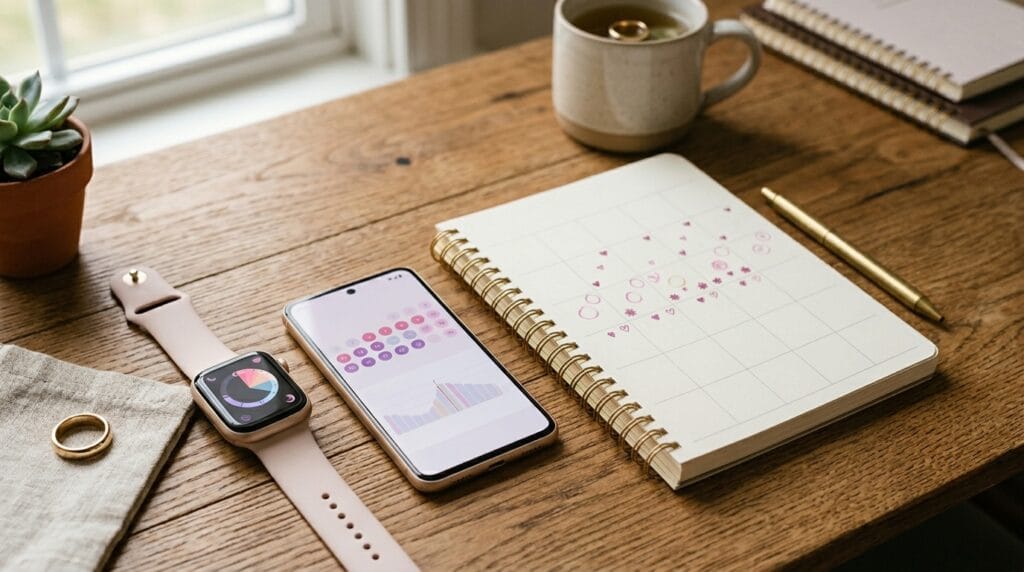
Most fertility tracking wearables do not “see” ovulation directly. Instead, they use signals that often change around ovulation. These may include skin temperature, resting heart rate, heart rate variability, sleep changes, and cycle history. Some apps also ask you to enter cervical mucus, LH test results, bleeding, cramps, mood, and sexual activity. The more consistent your data is, the better the app may become at spotting patterns.
Fertility awareness is based on identifying the fertile time of the menstrual cycle, and the American College of Obstetricians and Gynecologists explains that this fertile time is when pregnancy can occur. For a trusted overview, you can read ACOG’s guide to fertility awareness-based methods.
1. Temperature shifts can be useful, but they are not pregnancy proof
Many wearables focus on temperature because body temperature often rises after ovulation due to progesterone. If pregnancy does not happen, temperature usually drops before or around the start of a period. If pregnancy does happen, temperature may stay elevated longer. This is why some people notice sustained warmth and wonder if it is an early pregnancy clue.
That clue is not enough by itself. Fever, poor sleep, alcohol, travel, stress, room temperature, illness, and device placement can all affect readings. Wearable temperature data is best used as a pattern, not a verdict. If your period is late and your temperature remains elevated, take a pregnancy test at the right time instead of relying on the app alone.
2. Late ovulation can make an app look “wrong”
One reason people panic is that the app says their period should have arrived, but nothing happens. This does not always mean pregnancy. Sometimes ovulation happened later than expected. When ovulation is late, the period usually comes later too. That can make a predicted period date inaccurate even when the app was working with the best data it had.
If you use a wearable and your period is late, look at the whole picture. Did you travel? Were you sick? Did stress increase? Did your sleep change? Did you stop or start a medication? Did you recently lose or gain weight? Cycle predictions are estimates, not guarantees. If pregnancy is possible, testing is still the clearest next step.
Can fertility tracking wearables detect early pregnancy?
Fertility tracking wearables may notice changes that happen around early pregnancy, but they cannot diagnose it. Some users report higher temperatures, changed sleep, increased resting heart rate, fatigue, or a missed predicted period before a positive test. Those patterns may make you suspicious, but they can overlap with PMS, illness, stress, and normal hormone changes.
This is where many people get stuck. The app shows something unusual, your body feels different, and you start checking every symptom. That is understandable, but it can also make the waiting period more stressful. If you are unsure, use the wearable as a reminder to test wisely, not as the final answer.
3. Use wearable clues to decide when to test
The most practical way to use fertility tracking wearables is to improve timing. If your app suggests your period is late and you had sex during your fertile window, a home pregnancy test may be reasonable. For best accuracy, test after your missed period with first-morning urine. If you test negative but your period still does not arrive, wait a few days and test again.
This connects directly with Understanding Ovulation and Fertility Awareness. A negative result can happen if you tested too early, ovulated later than you thought, used diluted urine, or misread your cycle timing. Your wearable may help you ask better questions, but the test result and timing still matter most.
How to Use Fertility Tracking Wearables Without Overthinking Every Symptom
The biggest risk with fertility tracking wearables is not the technology itself. It is the anxiety loop they can create. When you can see every temperature change, heart rate shift, and predicted cycle day, it becomes easy to check the app too often. You may start treating normal variation like a warning sign. That can make the two-week wait feel longer and harder.
A healthier approach is to use your data with boundaries. Check your app once or twice a day, not every hour. Track symptoms honestly, but avoid turning every cramp, headache, or mood change into a pregnancy clue. Early pregnancy and PMS can look very similar. Even nausea, breast tenderness, bloating, fatigue, and mood swings can happen for multiple reasons.
Best ways to combine wearables, symptoms, and pregnancy tests
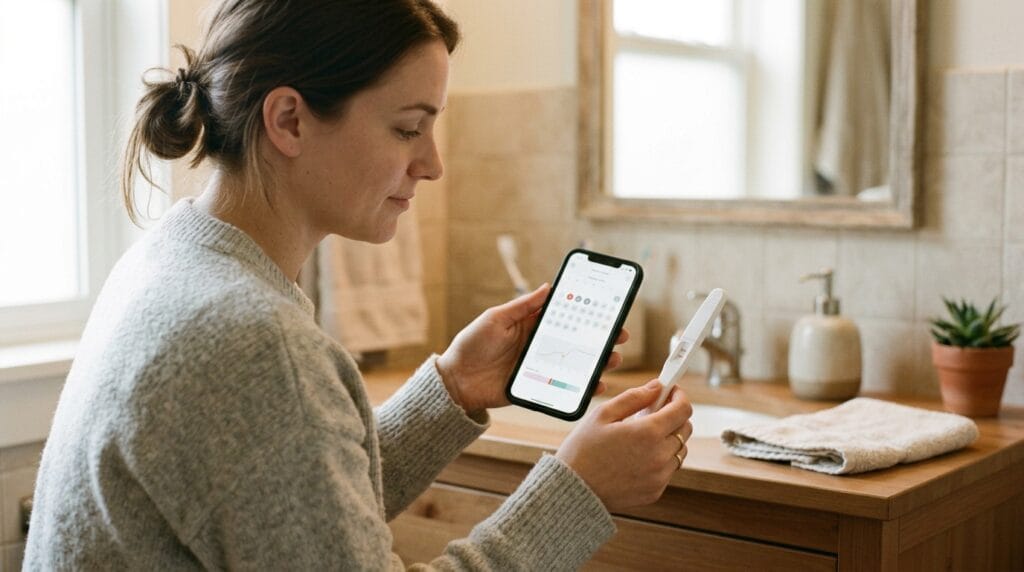
Think of your wearable as one tool in a bigger picture. Your cycle history, symptoms, sexual activity, ovulation timing, test results, and medical history all matter. If your wearable predicts ovulation, you can use that estimate to understand when a pregnancy test might become accurate. If your period is late, compare the app’s prediction with your symptoms and test timing.
For people actively trying to conceive, a wearable can help reveal patterns over several months. It may show that ovulation tends to happen later than expected or that cycle length changes more than you realized. If your cycles are irregular or you have been trying for a while without success, bring your tracking data to a healthcare provider. Patterns can be helpful, especially when discussed with someone who understands reproductive health.
4. Know when to stop guessing and ask for help
If your period is more than a week late, you keep getting negative tests, or your symptoms feel unusual, it is reasonable to contact a healthcare provider. You should seek urgent care sooner if you have severe one-sided pelvic pain, heavy bleeding, fainting, shoulder pain, severe dizziness, or intense abdominal pain. Those symptoms need medical attention and should not be handled by an app.
If pregnancy is confirmed, a wearable may still help you notice rest, sleep, and recovery patterns, but it should not replace prenatal care. You may also want to read Prenatal Vitamins Before a Positive Test because some early pregnancy nutrition steps can matter before your first appointment.
Fertility tracking wearables are exciting because they give people more insight into their bodies. They can help you understand your fertile window, notice cycle changes, and time pregnancy tests more thoughtfully. But they are not pregnancy confirmation. A smart ring cannot replace a pregnancy test. An app cannot replace medical care.
The best approach is balanced. Use data, but do not let it control your emotions. Watch patterns, but do not panic over one unusual day. Test at the right time, retest when needed, and ask for professional help when symptoms or uncertainty continue. Fertility tracking wearables can be a helpful guide, but your next step should always be based on clear evidence, safe timing, and real support.
This article is for educational purposes only and is not medical advice. If you think you might be pregnant, have unusual symptoms, or need guidance about fertility, contraception, medications, or pregnancy care, speak with a qualified healthcare provider.