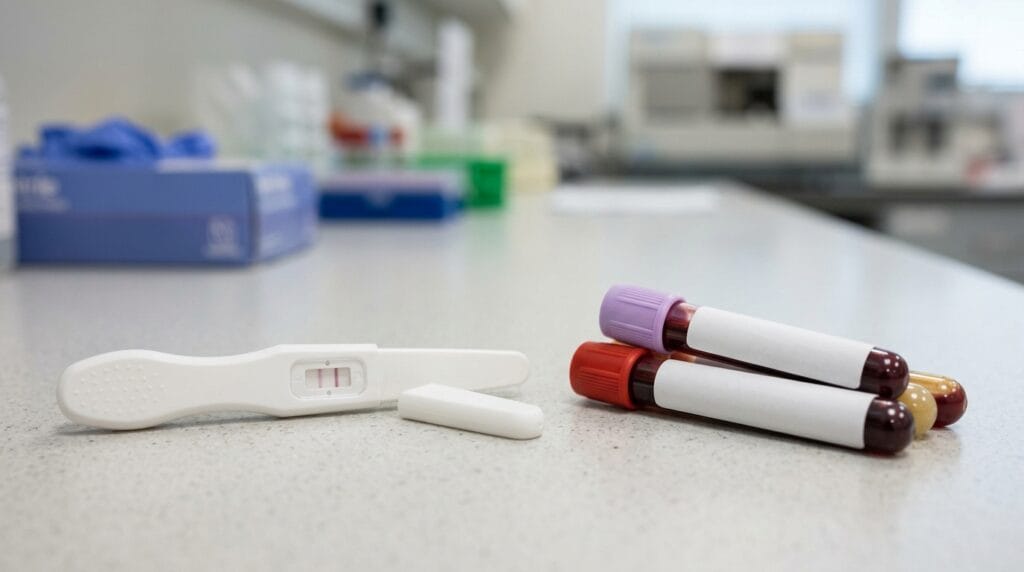
Can you get pregnant while breastfeeding? Yes, it is possible. Breastfeeding can delay ovulation for some people, especially in the early months after birth, but it is not a guaranteed way to prevent pregnancy forever. This is why a late period, no period, nausea, breast tenderness, fatigue, or a strange feeling in your body can feel confusing when you are nursing a baby.
Many postpartum parents assume they cannot get pregnant until their period returns. That sounds logical, but the body does not always work that neatly. Ovulation usually happens before bleeding. That means your body may release an egg before you see your first postpartum period. If unprotected sex happens around that time, pregnancy can happen even if you have not had a period yet.
This topic matters because breastfeeding already changes your body. You may feel tired, emotional, hungry, sore, or hormonally different. Those feelings can overlap with early pregnancy symptoms. If you are wondering whether you could be pregnant while breastfeeding, the goal is not to panic. The goal is to understand timing, test correctly, and know when to contact a healthcare provider.
Why Breastfeeding Can Delay Periods but Not Always Prevent Pregnancy
Breastfeeding affects hormones that help control ovulation. For some people, frequent nursing can delay the return of periods for several months. This is called lactational amenorrhea. It is one reason some parents do not bleed regularly while exclusively breastfeeding.
However, breastfeeding does not pause fertility the same way for everyone. Your cycle may return quickly, slowly, or unpredictably. Some people get a period a few weeks or months after giving birth. Others do not see a period until they reduce feeds, introduce formula, start solids, stop night nursing, or wean. There is no single timeline that applies to every postpartum body.
The important point is this: no period does not always mean no ovulation. Your first ovulation can happen before your first postpartum period. Because of that, you may not get a warning bleed before fertility returns. If pregnancy is possible based on recent sex, a test may be worth taking even if your period has not returned yet.
How ovulation can return before your first postpartum period
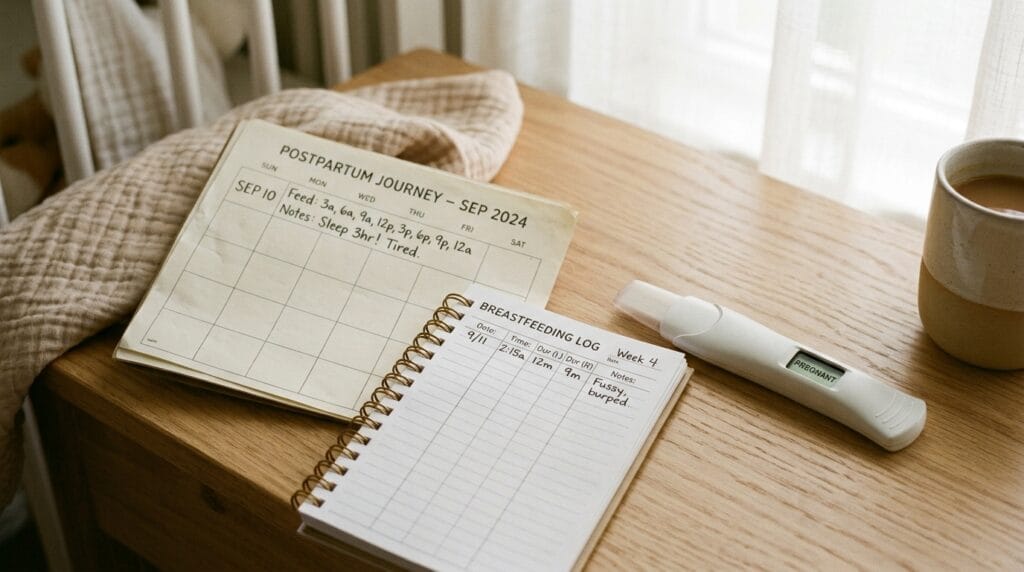
Ovulation is the release of an egg from the ovary. If sperm are present around that time, pregnancy can occur. After ovulation, a period usually follows about two weeks later if pregnancy does not happen. That order matters. You do not need to have a period first in order to ovulate.
This is where many people get caught off guard. You may think, “I have not had a period, so I cannot be pregnant.” But the first egg may be released before the first bleed. If you have sex during that fertile window, you might miss the period because pregnancy has already started.
Postpartum ovulation can be harder to recognize because signs are not always obvious. Cervical mucus may change, libido may shift, and some people notice mild cramps. But breastfeeding, healing after birth, sleep deprivation, stress, and hormonal changes can blur those signals. That is why symptoms alone are not enough.
Exclusive breastfeeding has stricter conditions than many people realize
Some people hear that breastfeeding can work as birth control, but the details matter. It is most reliable only under specific conditions, such as frequent exclusive breastfeeding, no return of periods, and being within the early months after birth. Once your baby sleeps longer, starts solids, takes formula, uses bottles more often, or feeds less overnight, ovulation may be more likely to return.
This does not mean you did anything wrong. It simply means your body may be moving toward fertility again. If you are not ready for another pregnancy, talk with a healthcare provider about postpartum birth control options that fit breastfeeding and your health history.
Changing feeding patterns can change fertility signals
Feeding changes can affect hormones. If your baby starts sleeping longer at night, takes fewer feeds, starts solids, or you begin pumping instead of nursing directly, your body may respond. Some people notice spotting, cramps, mood changes, or cycle-like symptoms around this time.
These symptoms can make you wonder whether your period is returning or whether pregnancy is possible. Both are possible depending on timing. If you had unprotected sex, missed contraception, or are unsure about your fertile window, testing is the clearest next step.
Symptoms can overlap with breastfeeding, PMS, and early pregnancy
Early pregnancy symptoms while breastfeeding can be difficult to read because postpartum life already comes with body changes. Fatigue may come from night feeds. Breast tenderness may come from nursing, clogged ducts, or supply changes. Nausea may come from stress, lack of sleep, dehydration, or hormones. Mood swings may be postpartum, cycle-related, or pregnancy-related.
That overlap can make every symptom feel like a clue. One day you may feel sure your period is coming. The next day you may wonder if you are pregnant. This is normal, but it can become stressful if you keep checking symptoms without a plan.
If you want a broader symptom guide, read 10 Early Signs You Might Be Pregnant. Just remember that symptoms can point you toward testing, but they cannot confirm pregnancy on their own.
Nausea, fatigue, and breast changes are not proof by themselves
Nausea, tiredness, breast sensitivity, frequent urination, food aversions, and mood changes can happen in early pregnancy. They can also happen from breastfeeding, poor sleep, dehydration, stress, hormone shifts, or your cycle trying to restart. That is why guessing based on symptoms can drive you crazy.
A pregnancy test gives more useful information than symptom tracking alone. If the test is negative but you tested early, wait a few days and test again. If the test is positive, contact a healthcare provider to ask about next steps, especially if you are still breastfeeding and recently gave birth.
When to Take a Pregnancy Test While Breastfeeding
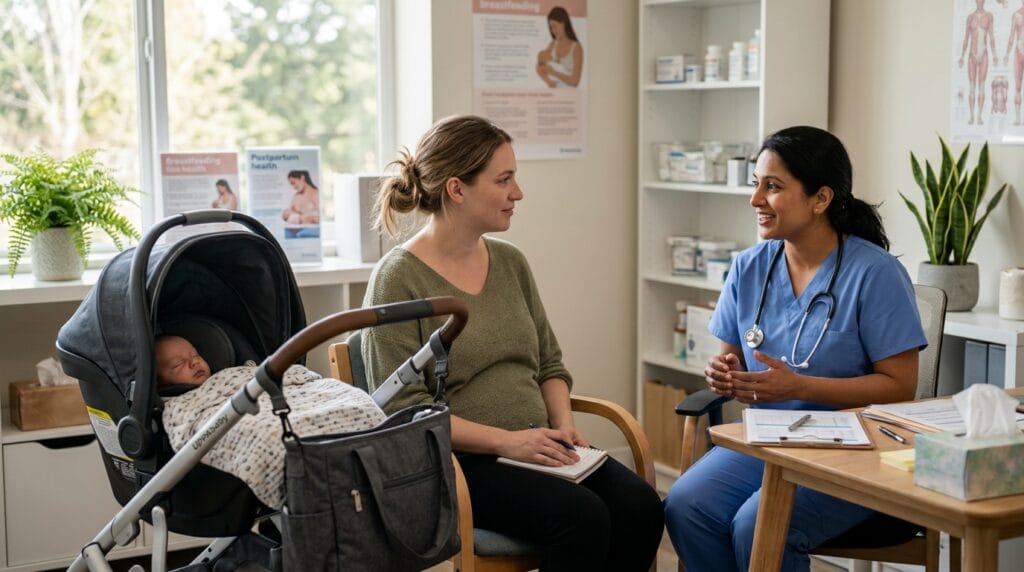
The best time to take a pregnancy test while breastfeeding depends on your situation. If your periods have returned and one is late, you can usually test around the time your period is expected or after it is missed. If your periods have not returned, timing is harder. In that case, test about two to three weeks after unprotected sex or after a possible contraception mistake.
Testing too early can lead to a false negative because hCG, the hormone detected by pregnancy tests, may not be high enough yet. If your first test is negative but you still suspect pregnancy, retest in a few days. First-morning urine may help if you are testing early because it is usually more concentrated.
For more detail on timing and accuracy, read When to Take a Pregnancy Test: Timing, Accuracy, and What to Expect. If you keep getting negative tests but still feel unsure, this related guide may help: Can I Still Be Pregnant Even If the Test Is Negative?
What to do if your test is positive while breastfeeding
A positive pregnancy test while breastfeeding can bring mixed emotions. You may feel happy, shocked, worried, overwhelmed, or unsure. Whatever you feel, pause and take the next step calmly. A home test is useful, but you still need medical guidance to confirm dating, review your health, and talk about breastfeeding, nutrition, recovery, and spacing between pregnancies.
Call an OB-GYN, midwife, clinic, or qualified healthcare provider. Tell them you are breastfeeding, when you gave birth, whether your period returned, when you tested positive, and whether you have pain, bleeding, dizziness, or other symptoms. These details help them decide how soon you should be seen.
If you are having severe one-sided pelvic pain, heavy bleeding, fainting, shoulder pain, or severe dizziness, seek urgent medical care. Those symptoms need prompt evaluation. Most early pregnancy questions are not emergencies, but severe pain or heavy bleeding should not be ignored.
You may also want to review Positive Pregnancy Test Next Steps in 2026 so you know what to prepare before your first appointment.
Breastfeeding may continue for some, but ask your provider
Many people want to know if they must stop breastfeeding after a positive test. The answer depends on your health, your pregnancy, your baby, your milk supply, your history, and your provider’s advice. Some people continue nursing during pregnancy. Others reduce feeds because of discomfort, supply changes, nausea, fatigue, or medical concerns.
Do not force yourself to decide everything in one day. Start by confirming the pregnancy and asking your provider what is safe for your situation. Also make sure you are eating enough, staying hydrated, and taking recommended prenatal support if advised. Breastfeeding and early pregnancy can both place demands on your body, so support matters.
For an external medical reference on breastfeeding and fertility, you can review HSE’s guide here: Breastfeeding and fertility.
Final Thoughts: You can get pregnant while breastfeeding, even before your first postpartum period returns. Breastfeeding can delay ovulation, but it is not a guaranteed pregnancy prevention method once conditions change or fertility returns. If you had unprotected sex, missed contraception, or feel unsure because of symptoms, take a pregnancy test at the right time and repeat it if needed. If the result is positive, contact a healthcare provider for personalized guidance. You do not have to figure it out alone, and you deserve clear answers without panic.