
Positive pregnancy test next steps can feel confusing, even when the result is something you hoped for. One minute you are staring at the test line. The next minute your mind jumps to due dates, symptoms, appointments, money, relationships, work, family, and everything that might happen next. It is normal to feel excited, scared, shocked, relieved, numb, or all of those emotions at once.
A positive home pregnancy test is an important clue, but it is not the end of the process. You still need to think about timing, medical care, symptoms, medications, supplements, lifestyle habits, and emotional support. The first few days after a positive result are not about having every answer. They are about taking steady, safe, practical steps.
In 2026, this topic matters even more because early prenatal care access has become a growing concern. Some people delay calling a provider because they feel unsure, overwhelmed, uninsured, embarrassed, or afraid the pregnancy may not continue. Others simply do not know what to do first. A clear plan can help you move from panic to action.
Positive pregnancy test next steps should be simple, calm, and realistic. You do not need to solve the entire pregnancy today. You only need to confirm what you know, protect your health, and reach out for the right support.
What to Do Right After a Positive Pregnancy Test
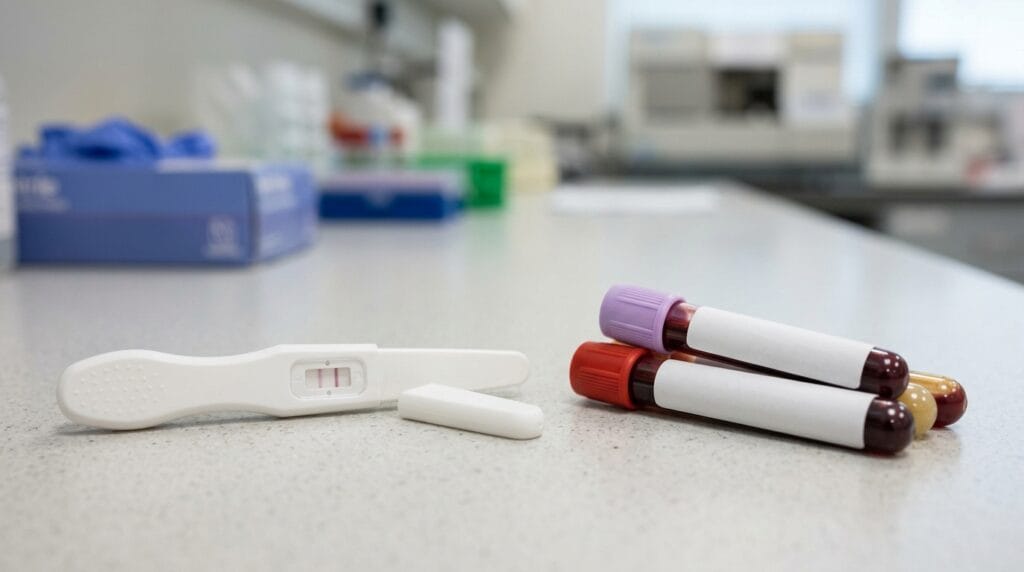
The first step after a positive pregnancy test is to pause and look at the result carefully. Check the test instructions, the timing window, and the expiration date. Most home pregnancy tests work by detecting human chorionic gonadotropin, often called hCG. This hormone rises after implantation, but test accuracy can depend on timing, urine concentration, and how the test was used.
If the test clearly shows a positive result within the correct reading window, pregnancy is likely. If the line is very faint, the result still may be positive, especially if it appeared within the recommended time. If you are unsure whether you saw an evaporation line, take another test in a day or two with first-morning urine.
If you tested early, repeating the test can help. A darker line over time may feel reassuring, but home tests are not designed to monitor pregnancy health. They can help confirm that hCG is present, but they cannot tell you whether the pregnancy is progressing normally. That is why contacting a healthcare provider matters.
If your result is negative but your period is still late and your body feels different, you may want to read Negative Pregnancy Test but You Still Feel Pregnant. That guide can help explain why testing too early, late ovulation, diluted urine, and cycle changes can create confusing results.
Confirm the result without retesting all day

It is tempting to take several tests in one day. For some people, that brings reassurance. For others, it creates more anxiety. If you already have a clear positive result, taking five more tests may not give you better answers. It may only make you stare at line darkness, compare brands, and search online for meaning that a home test cannot provide.
A better plan is to retest once after 24 to 48 hours if the first result was faint or confusing. Use first-morning urine if possible. If the result remains positive, call a healthcare provider, clinic, or pregnancy care service to ask about next steps. They may schedule a visit, order bloodwork, review symptoms, or give instructions based on your history.
When a faint line still matters
A faint positive line can still mean pregnancy if it appeared during the correct reading window. Early pregnancy tests may show faint lines because hCG is still low. Testing later in the day, drinking a lot of fluids, or using a less sensitive test can also affect how strong the line looks.
However, a faint line followed by bleeding or a later negative test can feel emotionally difficult. Sometimes this may happen with very early pregnancy loss. If that situation applies to you, you may find support in Chemical Pregnancy in 2026. If bleeding is heavy, pain is severe, or symptoms feel unusual, seek medical care instead of guessing at home.
When to call sooner instead of waiting
Call a healthcare provider sooner if you have severe one-sided pelvic pain, shoulder pain, fainting, heavy bleeding, intense dizziness, fever, severe abdominal pain, or a history of ectopic pregnancy. These symptoms need professional attention. Do not wait for a routine appointment if your body is giving warning signs.
You should also call early if you take medications, have diabetes, high blood pressure, seizure disorders, thyroid disease, kidney disease, autoimmune conditions, prior pregnancy complications, or a history of miscarriage. Your provider can help you understand what needs adjustment and what should continue.
Start safe early pregnancy habits now

Once pregnancy is possible or confirmed, small safety steps matter. Start by avoiding alcohol, smoking, vaping, recreational drugs, and any medication or supplement your provider has told you is unsafe during pregnancy. If you take prescription medicine, do not stop it suddenly unless a healthcare professional tells you to. Some medications need careful adjustment, and stopping abruptly can also create risk.
If you are not already taking a prenatal vitamin, ask your provider or pharmacist what is appropriate for you. Many people start folic acid before pregnancy or as soon as pregnancy is possible because early development begins before many people realize they are pregnant. Your existing guide on Prenatal Vitamins Before a Positive Test is a helpful internal link for readers who want more detail.
Focus on practical basics: drink water, eat regular meals, rest when you can, and avoid extreme dieting. If nausea starts early, small bland meals may feel easier than large meals. If fatigue hits hard, remember that early pregnancy can be physically demanding even before you look pregnant.
Do not panic over every symptom
Early pregnancy symptoms vary widely. Some people feel breast tenderness, fatigue, nausea, bloating, cramps, mood changes, food aversions, or frequent urination. Others feel almost nothing at first. A lack of dramatic symptoms does not automatically mean something is wrong.
Mild cramping can happen in early pregnancy, but severe pain needs medical care. Light spotting can happen for different reasons, but heavy bleeding or bleeding with strong pain should be checked. The key is to notice symptoms without spiraling. Your body deserves attention, but anxiety does not need to run the whole process.
How to Prepare for Your First Prenatal Appointment
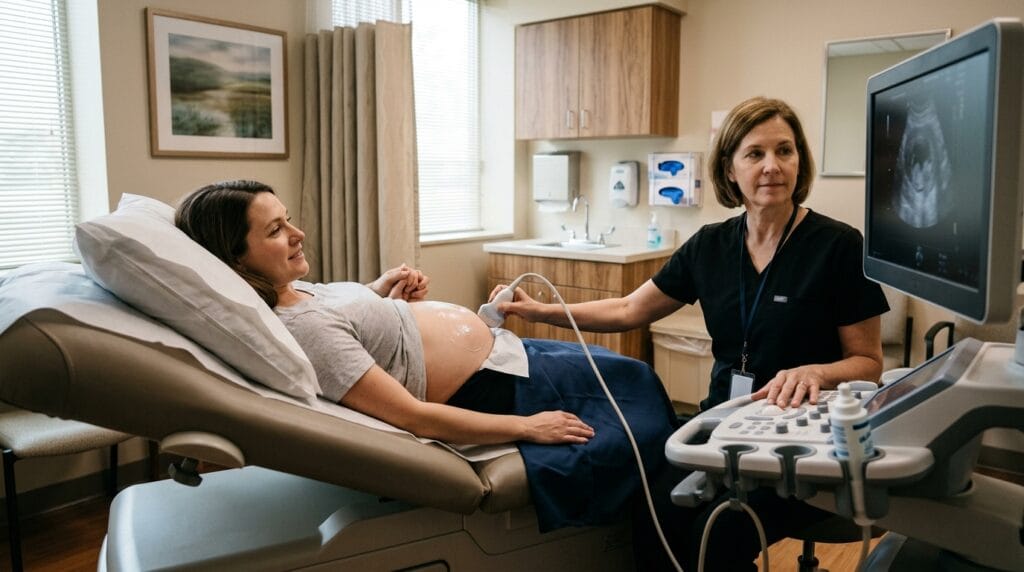
Preparing for your first prenatal appointment can make the visit less stressful. ACOG says prenatal care may include physical exams, ultrasound exams, blood tests, and conversations with your healthcare professional. It is reasonable to ask when your first appointment should happen, especially if you are unsure how far along you are or have risk factors.
Before you call, write down the first day of your last menstrual period if you know it. This date helps estimate gestational age and due date. If your cycles are irregular, say that clearly. If you tracked ovulation with an app, test strip, wearable, or basal body temperature, mention that too. Tracking information can help, but it should not replace medical dating.
If you use cycle apps or smart rings, remember that they can support awareness but cannot confirm pregnancy or replace care. Your article on Fertility Tracking Wearables in 2026 can help readers understand the difference between useful clues and confirmed answers.
Questions to ask before and during the first visit
When you call for an appointment, ask what they recommend based on your test date, last period, symptoms, and health history. Ask whether you need bloodwork, what symptoms should lead to urgent care, and whether you should continue your current medications and supplements. Also ask what documents, insurance information, or medical records to bring.
During the visit, be honest. Tell your provider about medications, supplements, alcohol, smoking, past pregnancies, miscarriages, abortions, surgeries, infections, mental health history, chronic conditions, and family medical history. This information helps them care for you safely. It is not about judgment. It is about getting accurate guidance.
If the pregnancy was unplanned, your feelings may be complicated. You can still call for care even if you are unsure what you want to do. Medical information and emotional support can help you make clearer decisions. For more support, read Unplanned Pregnancy Support.
Keep a simple notes list
Pregnancy can make your brain feel crowded fast. Keep a simple notes list on paper or in your phone. Include your test date, last period, symptoms, questions, medications, allergies, and anything you want to mention. Bring the list to your appointment so you do not forget important details.
You can also write down emotional questions. For example: “What should I do if anxiety feels overwhelming?” “Who do I call after hours?” “What symptoms are urgent?” “When will I know the pregnancy is in the right location?” “What foods, activities, or medicines should I avoid?” These questions are valid.
Positive pregnancy test next steps are easier when you focus on one layer at a time. First, confirm the result. Next, call a provider. Then start safe early habits. After that, prepare for your appointment. You do not need a perfect plan today.
For a trusted overview of prenatal care, visit ACOG’s Prenatal Care FAQ. ACOG explains that prenatal care can include exams, blood tests, ultrasounds, and conversations with a healthcare professional.
A positive test can change your day in seconds, but you still get to move forward calmly. Take a breath. Save the test if you want to. Drink water. Write down the date. Call for care. Ask your questions. Whether you feel excited, scared, unsure, or overwhelmed, you deserve clear information and support.
Disclaimer: This article is for general educational purposes only and is not medical advice. If you have severe pain, heavy bleeding, fainting, fever, one-sided pelvic pain, shoulder pain, or symptoms that worry you, contact a qualified healthcare professional or seek urgent care.