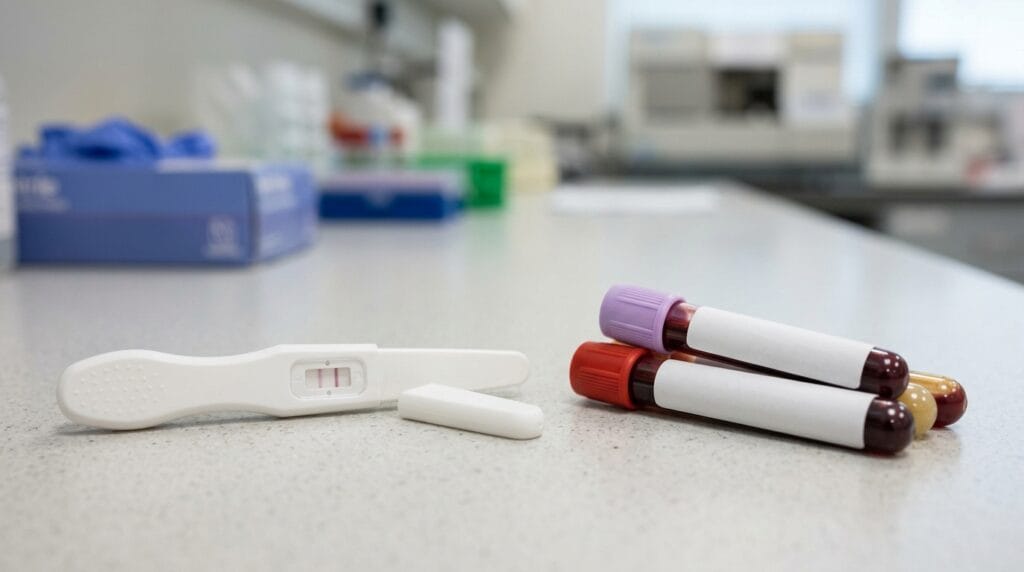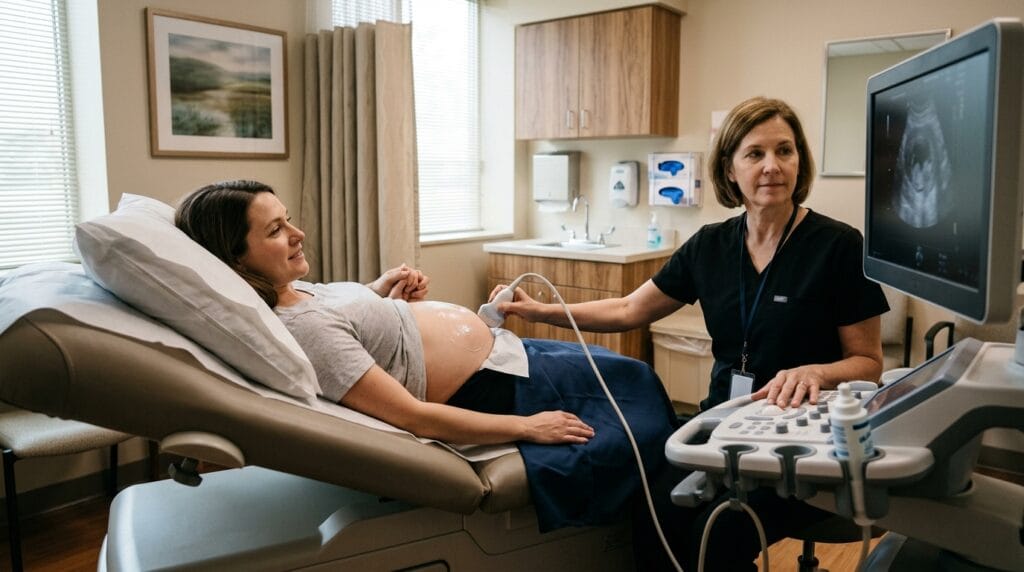
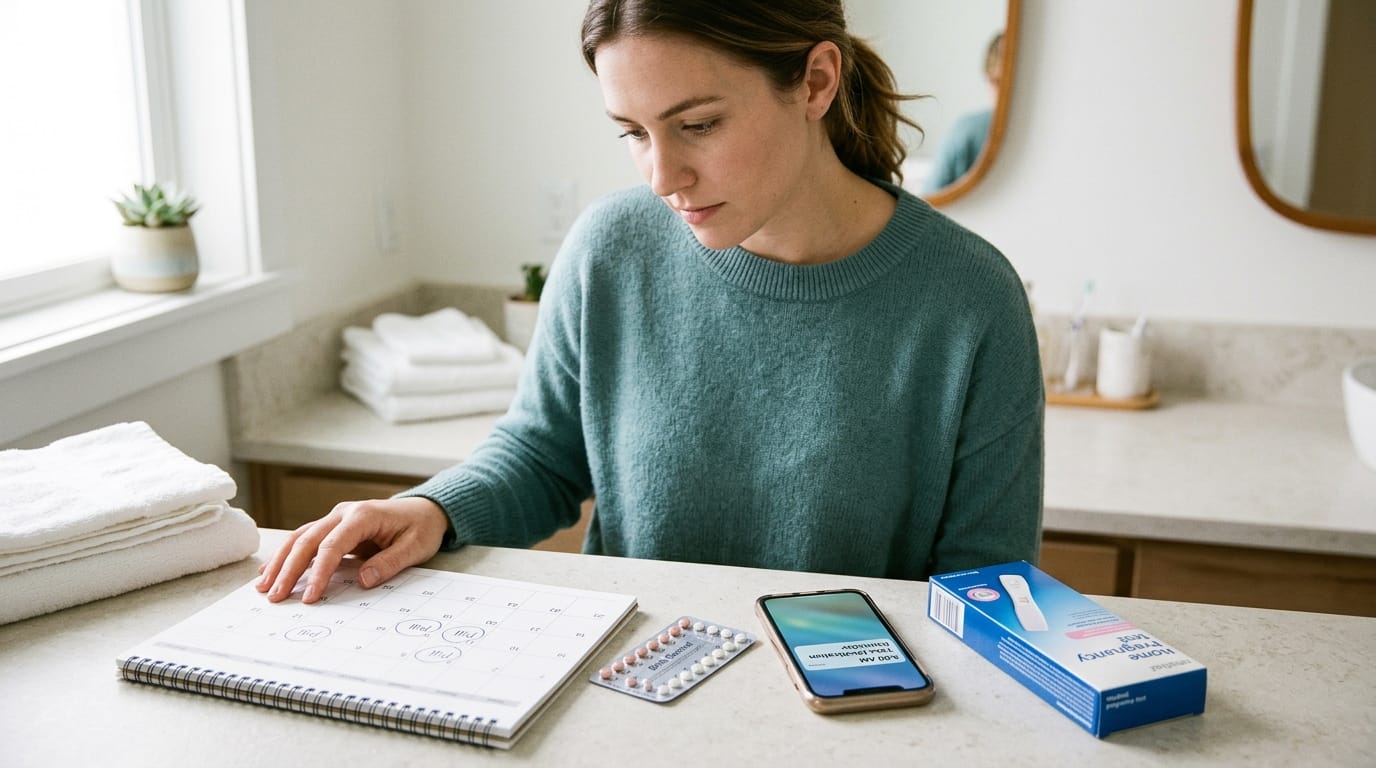
OTC birth control and late period in 2026 is a common concern for people who use over-the-counter contraception, miss pills, or notice unexpected bleeding changes. A late period can feel stressful, especially when you are trying to avoid pregnancy. You may wonder if the pill failed, if your cycle changed, or if your body is reacting to hormones.
Over-the-counter birth control can make pregnancy prevention more accessible. That is a good thing. But access does not remove the need for correct use. Daily pills still need consistency. A missed pill, late pill, vomiting, diarrhea, or medication interaction can raise questions about pregnancy risk.
A late period does not always mean pregnancy. Birth control can change bleeding patterns. Stress, travel, illness, weight change, intense exercise, breastfeeding, emergency contraception, and cycle irregularity can also affect timing. Still, if pregnancy is possible, testing at the right time matters.
This guide explains when to take a pregnancy test, how to think about missed pills, and what symptoms should prompt medical advice. It is for education only. It does not replace care from a healthcare professional.
Why OTC Birth Control and Late Period in 2026 Can Feel Confusing
Birth control pills work best when used exactly as directed. Some people take prescription pills. Others now use over-the-counter options. Either way, timing matters. If a daily pill is missed or taken late, the chance of pregnancy can increase depending on the pill type and timing.
Confusion happens because bleeding can change even when you are not pregnant. Some people get spotting. Others have lighter periods. A few may miss bleeding completely. These changes can make it hard to know whether your body is reacting to hormones or whether you should test.
The best approach is not panic. Look at three things first: whether pills were missed, when sex happened, and when your period was expected. These details give more useful information than symptoms alone.
OTC Birth Control Still Needs Correct Timing
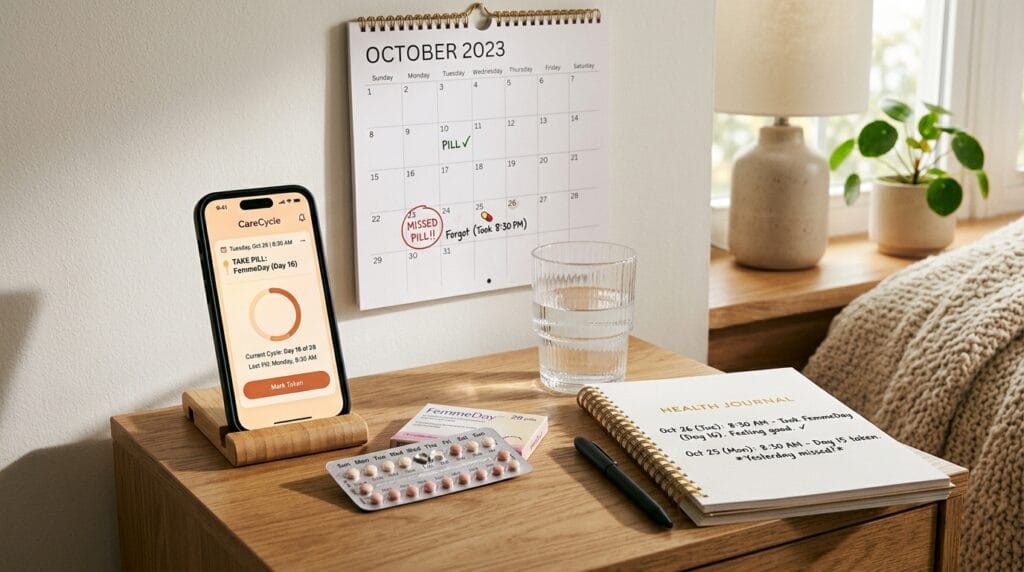
Over-the-counter does not mean casual. A daily birth control pill must be taken as directed to work well. If the pill must be taken at the same time each day, a late dose can matter. If you miss a pill, follow the product instructions carefully.
Many people feel embarrassed after missing a dose. Do not waste energy on blame. Focus on the next step. Read the package label. Use backup contraception if the instructions recommend it. Mark the missed pill date on a calendar.
If you had sex around the time of missed pills, pregnancy risk may depend on when you missed the dose and where you were in your cycle. If you are unsure, ask a pharmacist, clinic, or healthcare provider for guidance.
One missed pill can raise questions
A single missed pill does not always mean pregnancy will happen. However, it can create uncertainty. The risk depends on the pill, the number of missed doses, and whether you had unprotected sex.
If your period is late after missed pills, take a pregnancy test. If the test is negative but your period still does not come, retest in a few days. Testing too early can give a false negative because pregnancy hormone may not be high enough yet.
Your guide on Can I Still Be Pregnant Even If the Test Is Negative? is a helpful internal link here because it explains why timing affects test results.
Bleeding changes can happen without pregnancy
Birth control can affect bleeding. Some people notice spotting between periods. Others have shorter, lighter, or irregular bleeding. This can be unsettling when you expect your cycle to look the same every month.
A late or different period is not automatic proof of pregnancy. But it is also not something to ignore if pregnancy is possible. If you missed pills, had sex, and your period does not arrive when expected, testing is the simplest next step.
Do not rely only on symptoms. Sore breasts, nausea, fatigue, cramps, bloating, and mood changes can happen with pregnancy, PMS, stress, or hormone shifts. Your article on Pregnancy Symptoms vs. PMS fits naturally here.
When To Take A Pregnancy Test After Missed Pills
The timing of your test matters. A home pregnancy test checks for hCG, a hormone that rises after implantation. If you test too early, the result may be negative even if pregnancy later becomes detectable.
If your period is already late, you can test now. Use first-morning urine if you want the most concentrated sample. Follow the instructions exactly. Read the result only during the correct time window.
If you tested before your expected period and got a negative result, wait and retest. A negative early result is not always final. If your period stays absent, choose a retest day instead of testing repeatedly all day.
Use a simple test schedule
A simple schedule can reduce anxiety. Test when your period is late. If it is negative and bleeding still does not start, retest in 48 hours to a few days. If you continue to miss periods, contact a healthcare provider.
If your test is positive, stop guessing and contact a provider or clinic for next steps. If you have severe pain, heavy bleeding, fainting, shoulder pain, or severe dizziness, seek urgent medical care.
For readers who recently received a positive result, link to Positive Pregnancy Test in 2026: What to Do in the First 72 Hours. That guide gives practical next steps after a positive test.
What Else Can Delay A Period While Using Birth Control?
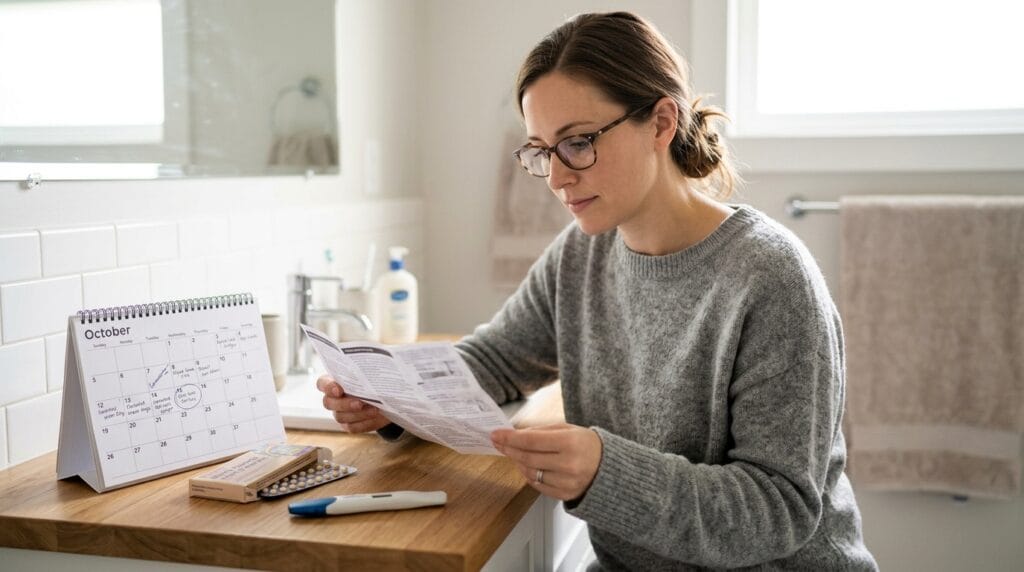
OTC birth control and late period in 2026 can involve more than missed pills. Many factors can shift bleeding. Some are harmless. Others deserve medical review.
Stress can delay ovulation or affect cycle timing. Travel and poor sleep can disrupt routine. Illness can change appetite, hormones, and energy. Weight changes and intense exercise can also affect menstrual patterns.
Emergency contraception can change the timing of your next period too. Some people bleed earlier. Others bleed later. If your period is delayed by a week or more after emergency contraception, take a pregnancy test and consider clinical advice.
Emergency Contraception Can Change Your Next Period
Emergency contraception can help prevent pregnancy after unprotected sex or contraceptive failure. It works best when taken as soon as possible. But after taking it, your next period may not arrive exactly when expected.
This delay can create confusion. You may wonder whether the emergency contraception worked. Symptoms may not help because side effects and PMS can overlap. A pregnancy test gives better information than guessing.
If your period is more than a week late after emergency contraception, testing is a smart step. ACOG also explains that emergency contraception does not end an existing pregnancy. It helps prevent pregnancy from occurring. You can include this trusted external link: ACOG Emergency Contraception FAQ.
Do not use symptoms as the final answer
Symptoms can mislead you. Nausea can come from stress, food, illness, anxiety, medication, or pregnancy. Breast tenderness can happen before a period or after hormone changes. Fatigue can come from poor sleep, work, stress, or early pregnancy.
This is why a late period plus pregnancy risk should lead to testing. A symptom checklist can help you notice patterns. It should not replace a test.
Your article on AI Pregnancy Symptom Checkers in 2026 can support this point. AI tools may explain possibilities, but they cannot confirm pregnancy.
When To Call A Doctor, Clinic, Or Pharmacist
Call a healthcare professional if you are unsure how to handle missed pills. A pharmacist can often explain package instructions and backup contraception. A clinic can help with testing, medication questions, and next steps.
You should also call if you miss two periods, have repeated unusual bleeding, have bleeding after sex, or feel worried about pregnancy risk. If you are using OTC birth control, save the package or take a photo of the label. That helps the pharmacist or provider give more accurate guidance.
Seek urgent care for severe pelvic pain, heavy bleeding, fainting, shoulder pain, severe dizziness, fever, or intense abdominal pain. These symptoms need real medical evaluation, not online guessing.
If you get a positive test and cannot get an appointment quickly, use your internal guide Can’t Get a Prenatal Appointment Yet in 2026?. It explains how to prepare while waiting for care.
OTC birth control and late period in 2026 can feel stressful, but you do not have to solve it by panic-searching. Check whether you missed pills. Review when sex happened. Test when your period is late. Retest if needed. Ask a pharmacist or provider when instructions feel unclear.
A late period can have many causes, but a pregnancy test gives you a clearer answer than symptoms alone. Use birth control as directed, keep a simple calendar, and take action early when something feels off. That calm, practical approach protects both your peace of mind and your health.