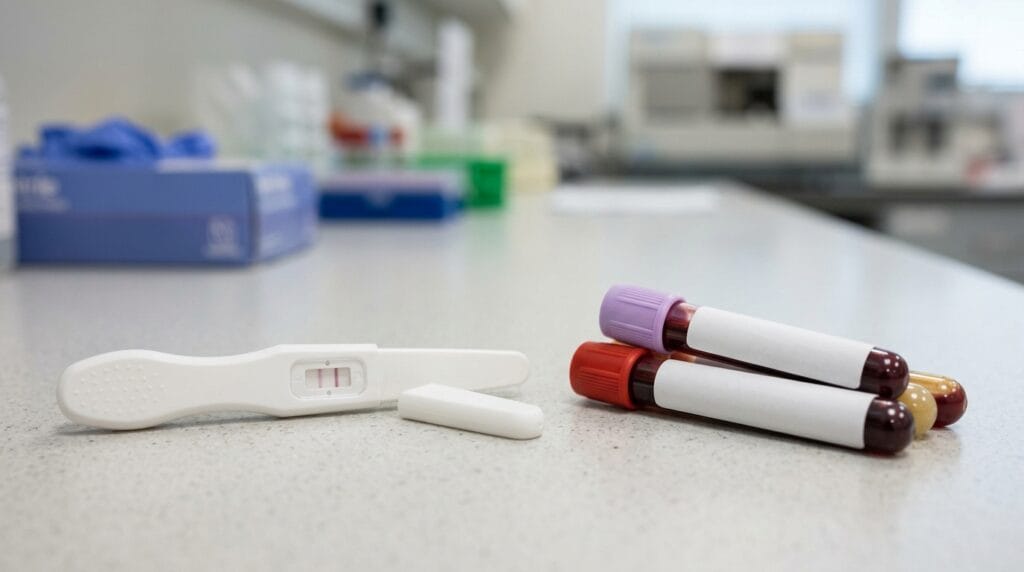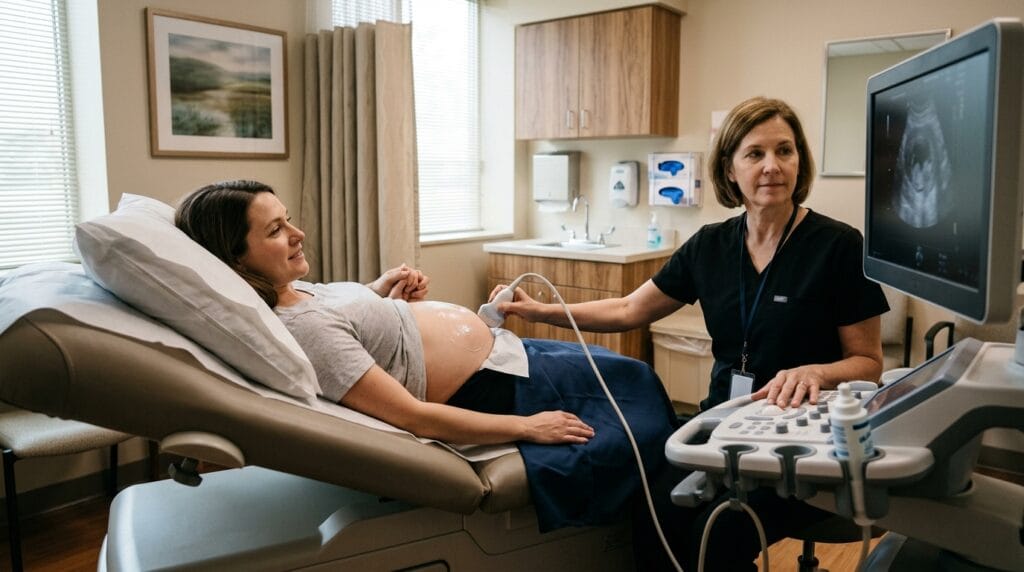

A positive pregnancy test in 2026 can bring a rush of emotions. You may feel excited, shocked, scared, relieved, confused, or all of those at once. That reaction is normal. A home test gives you important information, but it does not answer every question. You may still wonder how far along you are, when to call a provider, what symptoms are normal, and what you should do first.
The first 72 hours after a positive test do not need to be perfect. However, they should be calm, practical, and informed. This is the time to confirm what you know, protect your health, review your medications, and make a plan for care. You do not need to solve the whole pregnancy immediately. You only need to take the next safe step.
This guide is especially helpful if you were not expecting the result, if your period was irregular, if your test line was faint, or if you are unsure what comes next. It also fits with other Could Be Pregnant resources, including prenatal vitamins before a positive test, negative pregnancy test but still feel pregnant, GLP-1 pregnancy questions, and fertility tracking wearables in 2026.
The goal is simple: help you move from panic or uncertainty into a clear plan. A positive pregnancy test matters, but your next choices matter too.
What a Positive Pregnancy Test Usually Means
A home pregnancy test looks for hCG, a hormone the body makes after pregnancy begins. If the test is positive and you followed the instructions correctly, pregnancy is likely. Some tests show two lines. Others show a plus sign or a digital word result. Even a faint colored line can be positive if it appears within the correct reading window.
Still, test results can feel confusing. A faint line may make you question whether it is real. A test taken very early may look lighter than expected. A second test from a different brand may look slightly different. In many cases, this happens because hCG is still rising, urine concentration varies, or each test has a different sensitivity.
If the result is unclear, repeat the test in 48 hours with first-morning urine. Use a timer and read the result only within the test instructions. If you need confirmation, call a healthcare provider and ask whether a urine or blood test makes sense.
First Step: Pause, Breathe, and Confirm the Result
Before making big decisions, take a few minutes to steady yourself. A positive pregnancy test in 2026 can feel overwhelming because there is so much information online. Some of it helps. Some of it creates fear. Start with the basics instead.
Check the test box for the expiration date. Review the instructions. Think about when you tested and whether you read the result during the correct time window. If you tested before your missed period, repeat testing can help. If your period is already late and the line is clear, you can treat the result as likely positive and start planning your next step.
Do Not Reread an Old Test Hours Later
An old pregnancy test can become misleading after it dries. Lines that appear after the reading window may not mean the same thing as a true positive result. For that reason, avoid checking the same test again hours later. It can create unnecessary anxiety.
If you are unsure, take a new test. Use first-morning urine when possible. Follow the instructions exactly. Then take a photo during the correct reading window if you want to compare it later. A fresh test gives better information than an old stick from the trash.
Know When a Positive Test Needs Urgent Attention
Most positive tests are not emergencies. However, some symptoms need prompt medical care. Call a provider or seek urgent care if you have severe one-sided pelvic pain, heavy bleeding, fainting, shoulder pain, severe dizziness, intense abdominal pain, fever, or pain that feels unusual.
These symptoms do not always mean something serious is happening, but they should not be ignored. Early pregnancy symptoms can overlap with normal body changes, miscarriage, ectopic pregnancy, infection, or other concerns. Getting help early is safer than guessing.
Second Step: Start a Simple Pregnancy Health Checklist
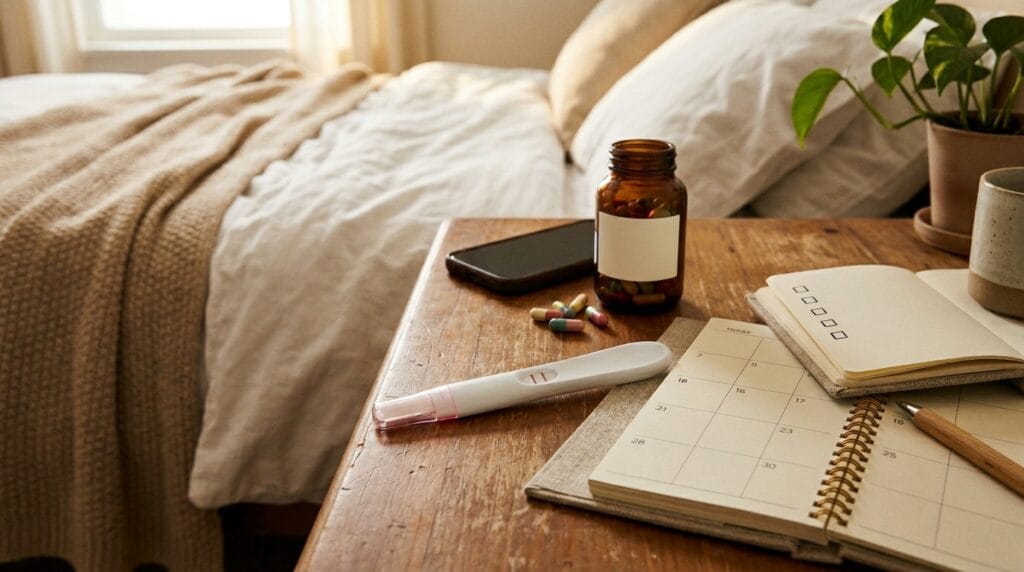
Once you believe the test is positive, create a short checklist. Write down the first day of your last menstrual period if you know it. Note the date of your positive test. Add any symptoms, such as cramping, spotting, nausea, breast tenderness, fatigue, dizziness, or vomiting. This information can help your provider estimate timing and decide what care you may need.
Next, review what you take every day. Include prescription medications, over-the-counter medicine, vitamins, herbs, supplements, skin treatments, migraine medicine, allergy medicine, sleep aids, and weight-related medications. Do not stop important prescribed medication on your own. Instead, call your provider and ask what is safe to continue.
If you have used GLP-1 medications, diabetes medication, blood pressure medication, seizure medication, thyroid medication, anxiety medication, or depression medication, ask for guidance soon. Some medicines need adjustment, but stopping suddenly can also be risky. Your provider can help you weigh the safest next step.
Begin Prenatal Vitamins If You Have Not Already
If you are not already taking a prenatal vitamin, ask your provider or pharmacist about starting one. Many prenatal vitamins include folic acid, which supports early development. Some also include iron, iodine, vitamin D, DHA, or choline. Your personal needs may depend on diet, health history, labs, and provider advice.
Do not stress if you were not taking vitamins before the test. Many people find out after pregnancy has already started. The best move is to begin now and ask about your specific needs. For more detail, read Prenatal Vitamins Before a Positive Test.
Third Step: Call for Prenatal Care and Ask the Right Questions
After a positive pregnancy test in 2026, contact an OB-GYN, midwife, family doctor, clinic, or local pregnancy care provider. Tell them the first day of your last period if you know it. Also mention any pain, bleeding, medical conditions, prior pregnancy loss, ectopic pregnancy history, fertility treatment, or medication concerns.
Your first visit may not happen immediately. Many clinics schedule the first appointment several weeks after the missed period unless symptoms or risk factors require earlier care. Still, calling early helps you get on the schedule. It also gives you a chance to ask what to do while waiting.
Early care matters. CDC/NCHS reported that first-trimester prenatal care declined from 2021 to 2024, while late or no care increased during the same period. You can review the official source here: CDC/NCHS Data Brief on prenatal care timing.
Ask What to Do Before the First Appointment

When you call, ask practical questions. Should you start a prenatal vitamin? Should you avoid any medications? Do you need blood work? When should you call about bleeding or pain? Can you keep exercising? Are there foods, alcohol, smoking, vaping, or supplements you should stop right away?
Also ask what appointment type you need. Some people may need a dating ultrasound. Others may need early labs or medication review. If you have irregular cycles, PCOS, recent birth control changes, recent emergency contraception, or uncertain dates, tell the clinic. That information can change timing.
How to Handle Emotions, Uncertainty, and Next Decisions
A positive test can feel different depending on your situation. If you were trying to conceive, you may feel happy but anxious. The pregnancy was unexpected, you may feel scared or numb. If you recently had a chemical pregnancy or loss, you may feel afraid to trust the result. All of those feelings are valid.
Try not to make every decision in one day. The first 72 hours should focus on safety, confirmation, and support. Choose one trusted person if you need emotional backup. If you are not ready to tell anyone, write your questions down instead. Clear thinking becomes easier when your worries are out of your head and on paper.
If bleeding starts after a positive test, do not assume the worst, but do not ignore it either. Light spotting can happen in early pregnancy, but heavier bleeding, strong pain, or passing tissue should prompt medical advice. If your positive test turns negative later, you may want to read Chemical Pregnancy in 2026 for supportive context.
If you are unsure whether you want to continue the pregnancy, you still deserve accurate information and respectful care. A provider or qualified clinic can explain timing, options, and health considerations without judgment. Avoid relying only on social media comments or anonymous forums for major decisions.
In the first few days, focus on what protects your body. Avoid alcohol, smoking, vaping, and recreational drugs. Review medications with a professional. Stay hydrated. Eat what you can tolerate. Rest when possible. If nausea is already starting, try small meals and ask your provider what is safe if symptoms become hard to manage.
A positive pregnancy test in 2026 is not the end of the question. It is the beginning of your next step. Confirm the result if needed, watch for urgent symptoms, start a health checklist, call for prenatal care, and ask clear questions. You do not need to have everything figured out today.
This article is for educational purposes only and is not a substitute for medical advice. If you have severe pain, heavy bleeding, fainting, or symptoms that worry you, seek medical care right away. If your test is positive and you feel stable, call a qualified healthcare provider and begin planning your first pregnancy appointment.