
Can’t get a prenatal appointment yet in 2026? You are not alone. A positive pregnancy test can change your whole day in seconds. You may feel excited, scared, shocked, hopeful, or completely unsure. Then you call a clinic and hear that the first available appointment is several weeks away. That waiting period can feel confusing.
Many people expect to see a provider right after a positive test. In real life, the first prenatal appointment may not happen immediately, especially if you feel stable and have no urgent symptoms. Some offices schedule the first visit around several weeks after a missed period. Others may offer earlier blood work, telehealth guidance, or a nurse call.
Waiting does not mean doing nothing. The time before your first visit can still protect your health. You can confirm your result, watch for warning signs, review medications, start safe habits, and prepare your questions. The goal is not to panic. The goal is to use the waiting period wisely.
This guide is for educational purposes only. It is not a substitute for medical advice. If you have severe pain, heavy bleeding, fainting, shoulder pain, fever, or symptoms that worry you, seek urgent medical care.
What To Do First If You Can’t Get A Prenatal Appointment Yet In 2026
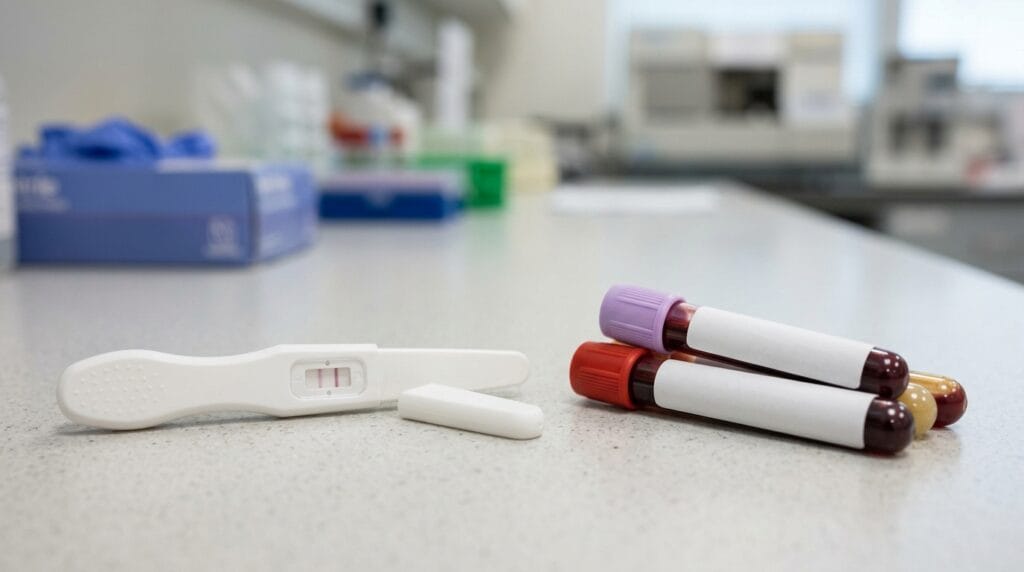
The first step is to stay practical. A home pregnancy test gives useful information, but it does not answer every question. It cannot tell you exactly how far along you are. It cannot confirm whether the pregnancy is developing normally. It also cannot review your health history, medications, or risk factors.
Still, a positive test deserves action. If the result appeared within the correct reading window and you followed the instructions, pregnancy is likely. A faint line can still count as positive. If the line was confusing, repeat the test in 24 to 48 hours with first-morning urine.
If you already have a clear positive result, avoid testing all day. Repeated testing can increase anxiety. It may also make you compare line darkness in a way that home tests were not designed to support.
Confirm The Result Without Spiraling
Start by checking the test box. Look at the expiration date, instructions, and reading window. Some tests show lines. Others show a plus sign or digital result. Read the result only during the time listed in the instructions.
If you took the test early, retesting can help. Try again after a day or two. Use first-morning urine because it is usually more concentrated. If the second test remains positive, call a provider, clinic, midwife, family doctor, or local pregnancy care service.
You can also write down the date of your positive test. Add the first day of your last menstrual period if you know it. If your cycles are irregular, note that too. This information can help the clinic decide when to schedule you.
Do not rely on old tests
An old test can become misleading after it dries. A line that appears hours later may not mean the same thing as a true result during the reading window. If you feel unsure, take a new test instead of rereading an old one.
For more help with early testing confusion, you can read Positive Pregnancy Test in 2026: What to Do in the First 72 Hours. That guide explains how to handle the first few days after a positive result.
Know when waiting is not safe
Most people do not need emergency care after a positive test. But some symptoms need fast attention. Call a provider or seek urgent care if you have severe one-sided pelvic pain, heavy bleeding, fainting, shoulder pain, severe dizziness, fever, or intense abdominal pain.
These symptoms do not always mean something dangerous is happening. However, they can sometimes signal an ectopic pregnancy, infection, miscarriage, or another urgent issue. Do not wait for a routine appointment if your symptoms feel serious.
Build A Simple Waiting-Period Checklist
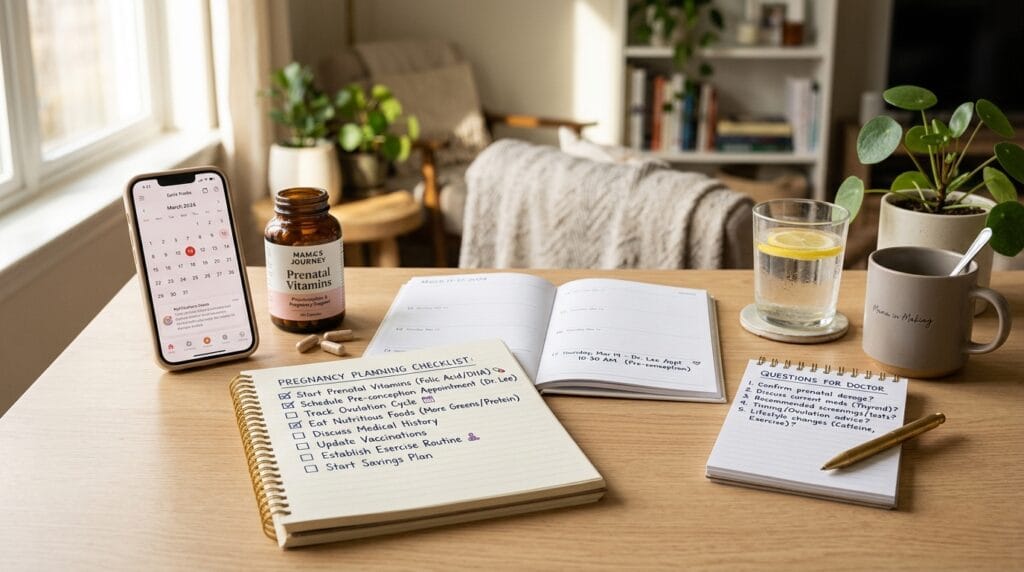
If you can’t get a prenatal appointment yet in 2026, make a short checklist. Keep it simple. You do not need to organize your whole pregnancy in one night.
Write down your last period date, test date, symptoms, and any spotting or cramping. List your prescription medications, over-the-counter medicine, supplements, herbs, skin treatments, sleep aids, and weight-related medications. Include anything you take often, even if it feels minor.
Do not stop prescribed medication suddenly unless a healthcare professional tells you to. Some medications need changes during pregnancy. Others may be safer to continue than to stop without guidance. When you call the clinic, ask who can review your list while you wait.
Start safe early habits now
Small steps matter during early pregnancy. If you are not already taking a prenatal vitamin, ask your provider or pharmacist what makes sense for you. Many prenatal vitamins include folic acid. Some also include iron, iodine, vitamin D, DHA, or choline.
You can also avoid alcohol, smoking, vaping, recreational drugs, and supplements that have not been cleared by a professional. Stay hydrated. Eat what you can tolerate. Rest when possible. If nausea starts early, try small meals and ask about safe options if it becomes hard to manage.
Your existing guide on Prenatal Vitamins Before a Positive Test can support readers who want more details about folic acid, choline, and early nutrition.
How To Prepare While Waiting For Your First Prenatal Visit

A delayed appointment can feel stressful, but preparation can make the first visit more useful. Start by asking the clinic what type of care you can access before the visit. Some offices offer a nurse line. Others may suggest early labs, telehealth, or a medication review.
When you call, explain your situation clearly. Tell them your positive test date, last menstrual period, cycle regularity, symptoms, medical conditions, and pregnancy history. Mention prior miscarriage, ectopic pregnancy, fertility treatment, diabetes, high blood pressure, thyroid disease, seizure disorders, kidney disease, or autoimmune conditions.
Also ask what symptoms should lead to urgent care. This gives you a clear plan instead of guessing online. For a trusted overview of prenatal care, you can review the ACOG prenatal care FAQ.
Ask Better Questions When You Call
Many people freeze when the clinic answers. Prepare a few questions before you call. Ask when they recommend your first visit based on your dates. Ask whether they offer earlier blood work. Ask who can review medications. Ask whether telehealth is available while you wait.
You can also ask what to do about nausea, exercise, work, travel, foods, caffeine, and supplements. If you have spotting or cramps, mention that clearly. If the pregnancy was unplanned and you feel overwhelmed, say that you need support and information.
If your dates are unclear, say so. Irregular cycles, recent birth control changes, recent emergency contraception, breastfeeding, PCOS, GLP-1 medication use, or fertility tracking can make timing harder to estimate. Your article on Fertility Tracking Wearables in 2026 can help readers understand why tracking clues are helpful but not the same as medical confirmation.
Use telehealth wisely if it is offered
Telehealth can be helpful before the first in-person visit. A provider may review symptoms, medications, test timing, and next steps. They may also decide whether you need earlier care.
Telehealth has limits. It cannot replace urgent evaluation for severe pain, heavy bleeding, fainting, or serious symptoms. It also cannot always confirm pregnancy location or timing. Use it as a bridge, not a full replacement for care.
If you feel emotionally overwhelmed, use the waiting period to build support. Choose one trusted person if you can. Write down your questions. Avoid relying only on social media comments, forums, or pregnancy app notifications for major decisions.
If your pregnancy was unexpected, your feelings may be complicated. You can still seek care even if you are unsure what you want to do. Medical information can help you think more clearly. Your guide on Unplanned Pregnancy Support is a useful internal link for readers who need emotional support and practical next steps.
Can’t get a prenatal appointment yet in 2026? Take the waiting period seriously, but do not let it control you. Confirm the result if needed. Watch for urgent symptoms. Start a health checklist. Review medications with a professional. Begin safe habits. Ask the clinic clear questions.
The first appointment matters, but your actions before that visit matter too. You do not need a perfect plan today. You need steady steps, accurate information, and support that helps you move forward safely.