
A missed birth control pill can cause instant worry, especially if your period is now late. You may wonder if one missed pill is enough to cause pregnancy. You may also feel confused about emergency contraception, spotting, withdrawal bleeding, and when to take a pregnancy test. The answer depends on several details.
Timing matters. The type of pill matters too. A missed combined pill is not always handled the same way as a missed progestin-only pill. Risk also changes based on when sex happened, how many pills you missed, and whether you started a new pack late. This guide explains the basics in a calm, practical way.
If you are already late, start with a clear testing plan. You may also find these Could Be Pregnant guides helpful: When to Take a Pregnancy Test, Negative Pregnancy Test but You Still Feel Pregnant, and What to Do If You Think You Might Be Pregnant.
How a Missed Birth Control Pill Can Affect Pregnancy Risk
A missed birth control pill does not always mean you will get pregnant. Still, it can lower protection. Birth control pills work best when you take them correctly and consistently. When pills are late or missed, hormone levels may drop. That can raise the chance of ovulation, especially if the missed pill happens near the start of a pack.
Combined pills contain estrogen and progestin. Many packs include active pills and placebo pills. Progestin-only pills, often called mini pills, work on a stricter schedule. Some must be taken at nearly the same time every day. Because these pills differ, always check your package instructions or call a pharmacist or healthcare provider.
One missed pill may carry less risk than several missed pills
Missing one pill usually creates less concern than missing two or more active pills. Risk can rise if you miss pills in a row. It may also rise if you start a new pack late after the placebo week. That gap can give your body more time without enough hormone coverage.
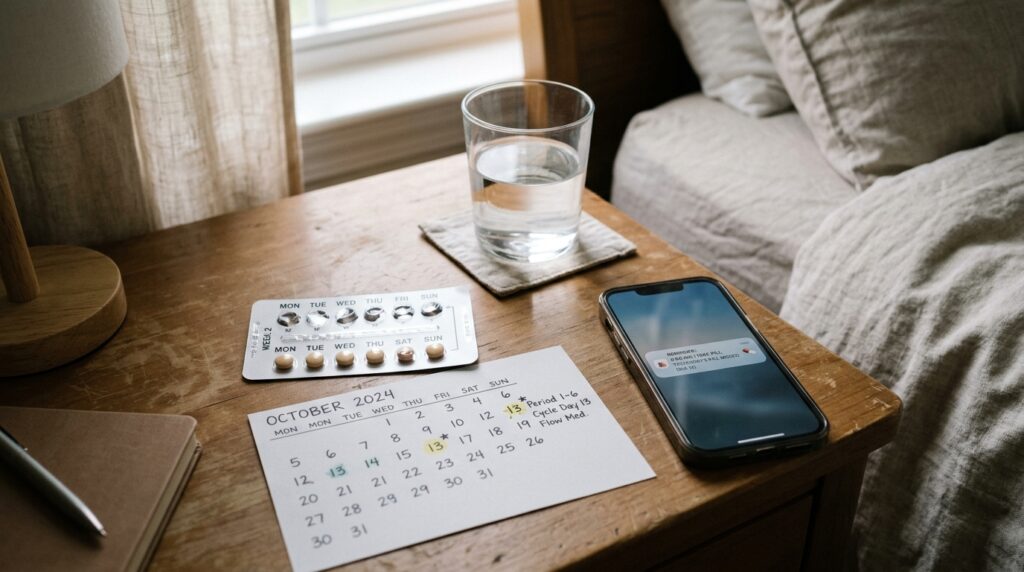
If you missed a pill and had sex without a condom, write down the dates. Note the day you missed the pill, the day sex happened, and where you were in the pack. These details help you decide whether emergency contraception, backup protection, or pregnancy testing makes sense.
The first week of a new pack matters most
The first week of active pills can be more sensitive. If you miss pills early in the pack and had unprotected sex in the previous few days, pregnancy risk may be higher. This is one reason healthcare guidance often treats early-pack missed pills more carefully. Do not guess if you feel unsure. Ask a pharmacist or provider for method-specific advice.
Progestin-only pills need stricter timing
Progestin-only pills can be less forgiving with timing. If you take this type late or miss it, you may need backup protection sooner than with some combined pills. Newer access to nonprescription pills can help people get birth control more easily. Even so, correct use still matters. The FDA’s information on Opill explains that it is a daily progestin-only oral contraceptive and does not contain estrogen.
Emergency contraception may still be an option
If sex happened recently, emergency contraception may help reduce pregnancy risk. Options can include levonorgestrel emergency contraception pills, ulipristal acetate, or a copper IUD. Timing matters a lot. Some options work better than others depending on how many days have passed, body weight, medication interactions, and access.
ACOG explains that no tests or procedures are usually needed after taking emergency contraception. However, you should take a pregnancy test if your period does not come within a week of when you expect it. You can read more from ACOG’s emergency contraception FAQ.
Emergency contraception is not the same as daily birth control
Daily birth control pills and emergency contraception are not the same thing. Birth control pills prevent pregnancy when used as directed over time. Emergency contraception helps after sex when protection may have failed or was not used. Do not take random extra pills unless your pill instructions or provider tells you to do that.
Late Period After a Missed Pill: When to Test and What to Watch
A late period after a missed birth control pill can happen for more than one reason. Pregnancy is one possibility. Hormone disruption is another. Stress, illness, travel, weight changes, intense exercise, and switching pill routines can also affect bleeding. Some people on hormonal birth control also have lighter bleeding or no bleeding at all.
Because symptoms can overlap, testing gives the clearest answer. Nausea, breast tenderness, cramps, spotting, mood changes, fatigue, and bloating can happen before a period. They can also happen in early pregnancy. Try not to rely on symptoms alone.
When to take a pregnancy test after a missed pill

If your period is late, you can take a home pregnancy test now. First morning urine may give the clearest result. If the test is negative but your period still does not come, test again in a few days. For many people, testing one week after a missed period gives a more reliable answer.
If you do not know when your period should arrive because your bleeding is irregular on birth control, count from the sex date. A test is usually more reliable about 2 to 3 weeks after sex. For a deeper testing guide, visit When to Take a Pregnancy Test.
A negative test may need a follow-up
A negative test can be reassuring, but timing matters. If you tested too early, hCG may not be high enough yet. Test again if your period stays absent, symptoms continue, or you still feel unsure. This guide may help next: Negative Pregnancy Test but You Still Feel Pregnant.
Spotting can also confuse the situation. Light bleeding may come from hormone changes, missed pills, implantation, or an early period. If you are trying to understand spotting, visit Implantation Bleeding vs Period. Seek care right away for severe pain, heavy bleeding, dizziness, fainting, shoulder pain, or one-sided pelvic pain.
If the test is positive, pause and plan your next step. Start by calling a healthcare provider or clinic. If you want to continue the pregnancy, ask about prenatal care. You may also read Prenatal Vitamins Before a Positive Test. If the pregnancy feels unexpected or overwhelming, Unplanned Pregnancy Support can help you think through the next steps.
In conclusion, a missed birth control pill can raise pregnancy risk, but the level of risk depends on timing, pill type, missed doses, and recent sex. Do not panic based on one symptom. Check your pill instructions, use backup protection if advised, consider emergency contraception if sex was recent, and test at the right time.
The most useful move is to create a simple plan. Write down the dates. Take a pregnancy test if your period is late. Retest if the timing was early. Call a healthcare provider if you feel unsure, if results conflict, or if you have worrying symptoms. Clear steps can make a stressful situation much easier to manage.
Medical disclaimer: This article is for educational purposes only and is not a substitute for medical advice, diagnosis, contraception counseling, or emergency care. If you have severe pain, heavy bleeding, dizziness, fainting, shoulder pain, one-sided pelvic pain, or symptoms that worry you, contact a healthcare professional or emergency services immediately.